
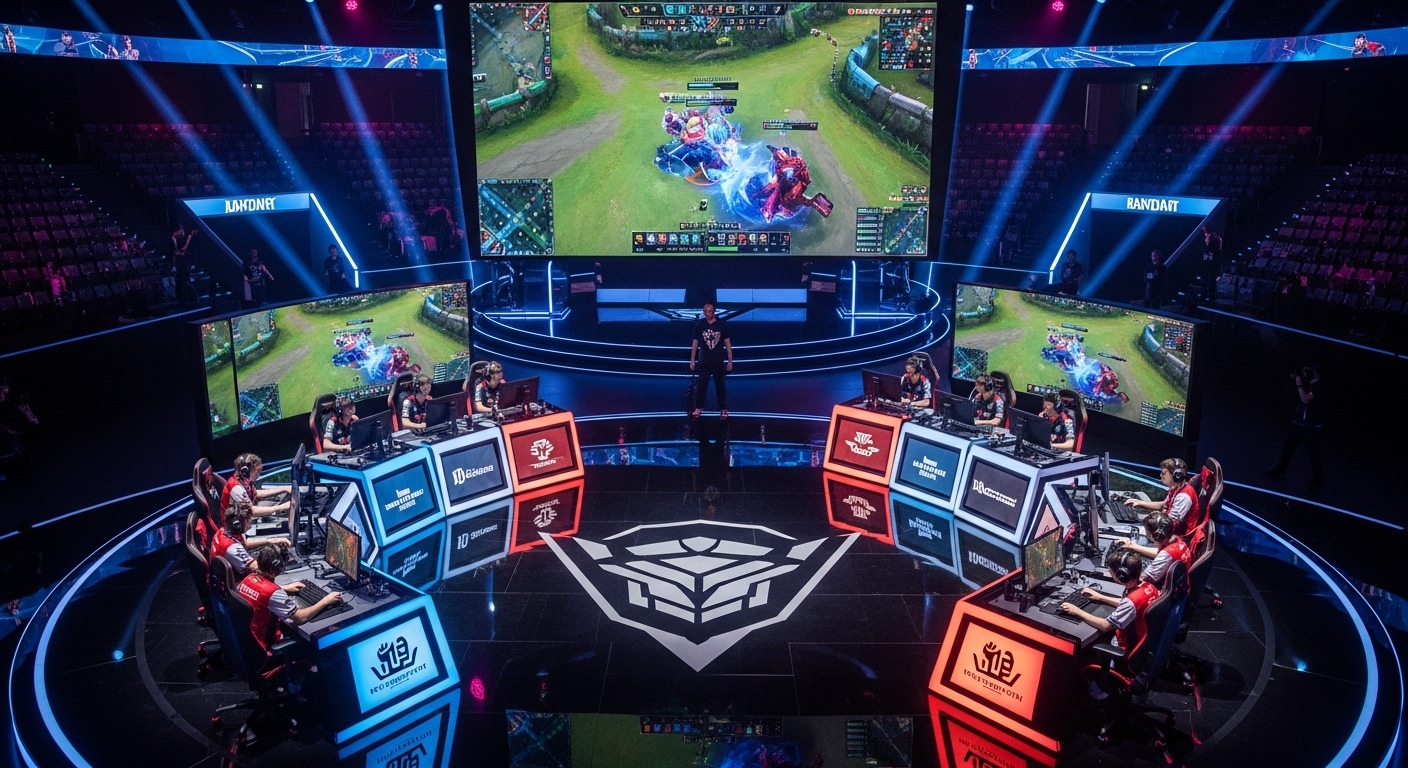
Esports, once a niche hobby for a select group of gamers, has transformed into a global phenomenon. From humble LAN parties and local tournaments to massive international events watched by millions, esports has not only redefined how people engage with video games but has also established itself as a legitimate, multi-billion-dollar industry. This blog post delves into the history, growth, and future of esports, exploring its cultural impact, economic influence, and the technological innovations driving this new form of competitive entertainment.
The Birth of Esports: From Hobby to Competition
The concept of competitive gaming can be traced back to the early days of video games. In the 1970s, arcade games like Pong and Space Invaders had players compete for high scores, but it wasn’t until the 1990s that competitive gaming began to take a more formalized shape. In 1997, the Red Annihilation tournament for the game Quake marked one of the first major esports competitions, where professional gamers competed for a cash prize and the chance to prove their skills. This tournament is often cited as a pivotal moment in the birth of esports as we know it today.
Throughout the late 1990s and early 2000s, esports began to evolve with the advent of online gaming. The rise of multiplayer games like StarCraft, Warcraft III, and Counter-Strike opened the doors for players around the world to compete against each other, creating an early foundation for esports tournaments. These competitions were often hosted at gaming conventions or LAN (Local Area Network) events, where players would gather to battle it out in person or online, often live-streaming the action to a small but dedicated audience.
However, it was the advent of faster internet speeds and more advanced gaming hardware that truly enabled esports to reach a global audience. Online platforms like Twitch and YouTube provided gamers with the ability to stream their gameplay and connect with viewers from around the world, creating a new type of media content that blurred the lines between traditional sports and digital entertainment.
The Growth of Esports: Turning Passion into Profession
As internet speeds improved and gaming communities flourished, the demand for more organized esports competitions grew exponentially. By the mid-2000s, major game publishers began to recognize the potential of competitive gaming and began to invest heavily in esports infrastructure. Blizzard Entertainment, for example, launched the StarCraft series, which became a cornerstone of competitive gaming in South Korea. The country’s professional gaming scene exploded, with televised StarCraft tournaments becoming a major cultural event.
In 2000, Counter-Strike also began to form the foundation for competitive FPS (First-Person Shooter) esports, while League of Legends, released in 2009, quickly became one of the most popular competitive games in the world. Riot Games, the developer behind League of Legends, solidified esports as a professional endeavor by establishing the League of Legends Championship Series (LCS) in 2013, providing players with a structured league to compete for big-money prizes and sponsorships. By the end of the 2010s, League of Legends had become one of the most-watched games in esports history, boasting millions of viewers during its annual World Championship.
The growth of esports also coincided with the rise of streaming platforms like Twitch and YouTube Gaming, which allowed players and fans to watch live events and tournaments from the comfort of their homes. This accessibility helped esports to reach new audiences, with streaming platforms becoming an essential component of the esports ecosystem. What was once a subculture now had millions of people tuning in to watch their favorite players and teams compete at the highest level.
The Esports Industry: A Multibillion-Dollar Business
By the late 2010s, esports had firmly established itself as a global industry worth billions of dollars. According to various industry reports, the esports market is projected to generate over $1.5 billion in revenue in 2023, a number that is expected to keep growing. This growth is driven by several key factors: sponsorships, advertising, media rights, merchandising, and ticket sales for live events.
Esports teams and players now sign lucrative sponsorship deals with major global brands, ranging from technology companies like Intel and ASUS to sports brands such as Nike and Adidas. These partnerships are critical for the financial success of esports teams, as they help provide the resources needed for training, travel, and the day-to-day operations of competitive organizations. Major tech companies like Intel and Microsoft have sponsored tournaments, while companies such as Coca-Cola and Mercedes-Benz have partnered with esports leagues to broaden their marketing reach.
Broadcasting rights for major esports leagues and tournaments also represent a significant portion of the industry’s revenue. Networks like ESPN and TBS have recognized the appeal of esports and have begun to air live events and dedicated programming. The growing popularity of esports has even prompted major sports organizations to launch their own esports leagues, such as the NBA 2K League, which offers players the chance to compete in professional basketball simulation games for cash prizes and recognition.
Beyond the traditional sponsorship model, streaming platforms such as Twitch have become an essential pillar of the esports economy. Streamers can monetize their content through advertisements, subscriptions, and donations, creating a new wave of influencers and content creators who build personal brands based on their gaming skills and personalities. This shift has democratized the entertainment industry, enabling players from all over the world to create their own paths to fame and fortune.
The Global Appeal of Esports: A Cultural Movement
What sets esports apart from traditional sports is its inherently global and digital nature. Players and fans can connect across borders, languages, and cultures, creating a diverse and inclusive community. Esports has become a global language that transcends national boundaries, with players from countries like South Korea, the United States, China, and Europe all competing at the highest level.
This international appeal has led to the creation of tournaments and leagues that cater to a worldwide audience. The League of Legends World Championship, The International (for Dota 2), and the Overwatch League are just a few examples of massive esports events that attract millions of viewers from around the globe. These tournaments are broadcast in multiple languages and feature a variety of gaming genres, ensuring that esports fans of all tastes can find something to watch and enjoy.
Esports has also played a role in the increasing acceptance of gaming as a mainstream form of entertainment. Once seen as a solitary and niche activity, gaming has evolved into a social experience, with fans interacting with each other through forums, live chats, and social media platforms. The success of esports has helped to shift the perception of gaming from a hobby to a legitimate sport, garnering respect from traditional sports organizations, media, and even governments.
The Role of Technology in Esports: Innovations That Power the Future
The rapid development of gaming technology has been integral to the rise of esports. High-performance gaming PCs, ultra-fast internet connections, and sophisticated broadcasting software all contribute to the growth of competitive gaming. The use of advanced graphics cards, ultra-low latency systems, and powerful processors allows players to execute precise in-game actions, while streaming services provide a seamless experience for viewers.
Additionally, the advent of virtual reality (VR) and augmented reality (AR) is beginning to influence the esports landscape. While still in its early stages, VR esports offers a potential for even more immersive and interactive experiences, where players could compete in entirely virtual environments. Esports companies are already experimenting with VR tournaments, and it’s likely that this technology will become a more prominent feature of the competitive gaming scene in the future.
AI and machine learning are also starting to play a role in esports. These technologies are being used to analyze player performance, predict match outcomes, and optimize team strategies. AI-driven data analysis allows coaches and analysts to break down complex game data and provide players with real-time feedback, enhancing the competitive experience for both players and fans.
The Future of Esports: What’s Next?
The future of esports looks incredibly promising, with continued growth and innovation on the horizon. As the industry matures, we can expect to see more professional leagues, larger prize pools, and more recognition for esports as a legitimate sport. The crossover between traditional sports and esports will likely continue to blur, with more sports organizations investing in esports teams and tournaments.
Furthermore, esports will continue to evolve as new games enter the competitive scene. As the gaming landscape shifts, new titles will emerge, and existing games will continue to develop, offering fresh experiences for players and fans alike. The rise of mobile esports, driven by games like PUBG Mobile and Clash Royale, indicates that the accessibility of gaming on smartphones will open up even more opportunities for esports to expand into untapped markets.
With the potential for virtual reality, AI, and cloud gaming to further transform the industry, the possibilities for esports are virtually limitless. As technology advances and the fanbase continues to grow, esports will undoubtedly become an even more integral part of the global entertainment landscape.
Conclusion: The Esports Revolution
Esports has come a long way from its early days as a hobby for dedicated gamers. Today, it is a global industry that commands billions of dollars, attracts millions of fans, and offers players opportunities to pursue careers at the highest level. Esports is not just about gaming; it’s about creating a shared experience that brings people together from all corners of the world.
As the industry continues to evolve, one thing is certain: esports is here to stay, and its impact on the world of entertainment will only continue to grow. Whether you’re a player, a fan, or just a casual observer, there’s no denying that esports has transformed the way we think about competitive gaming and entertainment