
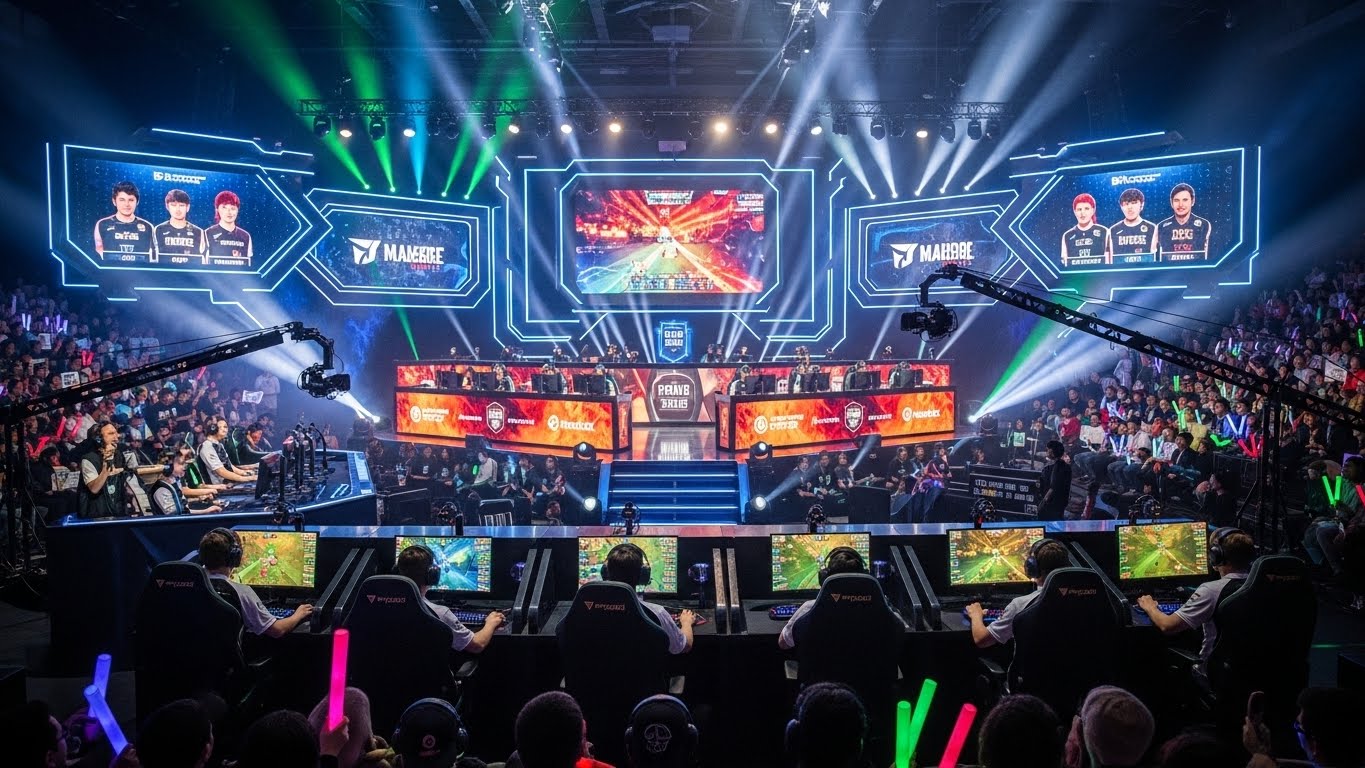
Esports has emerged as one of the most influential and fast-growing forms of modern entertainment. What began as casual competition among gamers has transformed into a global industry filled with professional teams, massive audiences, and cultural significance. Esports is no longer confined to bedrooms and internet cafés; it now fills stadiums, commands international attention, and shapes how competition is defined in the digital age.
Understanding Esports in the Modern Era
Esports, short for electronic sports, refers to organized competitive gaming where individuals or teams compete in video games at a professional or semi-professional level. These competitions span multiple genres, including strategy, shooters, sports simulations, and multiplayer battle games. What distinguishes esports from casual gaming is structure. Matches follow rules, leagues are governed, and players train rigorously to maintain peak performance.
In the modern era, esports functions much like traditional sports. Players have contracts, teams have management, coaches analyze strategies, and fans passionately support their favorites. This organized ecosystem has allowed esports to gain legitimacy and recognition worldwide.
The Early Roots of Competitive Gaming
The origins of esports trace back to the early days of video gaming. Arcade competitions in the late twentieth century encouraged players to chase high scores and local recognition. As home consoles and personal computers became more common, competitive gaming shifted into living rooms and online spaces.
The introduction of internet connectivity was a turning point. Players could now compete across regions, forming online communities and tournaments. Games that emphasized multiplayer competition played a crucial role in shaping esports, eventually leading to international events and professional leagues.
Why Esports Captivates Global Audiences
Esports appeals to audiences because it combines skill, strategy, speed, and entertainment. Matches are fast-paced and unpredictable, keeping viewers engaged from start to finish. Each game has unique mechanics, requiring players to master timing, teamwork, and decision-making under pressure.
Unlike traditional sports, esports allows viewers to experience competition from multiple perspectives. Spectators can watch gameplay closely, understand strategies in real time, and connect deeply with players’ individual styles. This immersive viewing experience has helped esports build a loyal and passionate global fan base.
The Professional Esports Ecosystem
The professional esports ecosystem is complex and highly organized. Teams consist of players, coaches, analysts, and support staff who work together to achieve success. Training schedules often mirror those of traditional athletes, involving long practice sessions, strategy development, and mental preparation.
Professional tournaments are meticulously organized, featuring group stages, playoffs, and grand finals. Prize pools can be substantial, reflecting the level of competition and investment in the industry. Sponsorships and endorsements further support players and teams, making esports a sustainable career path for top talent.
Training and Discipline Behind the Screen
Despite common misconceptions, professional esports requires intense discipline. Players must maintain exceptional focus, reaction speed, and consistency. Training often includes reviewing match footage, practicing mechanics, refining communication, and studying opponents.
Mental strength is just as important as technical skill. Players must perform under pressure, manage stress, and recover from losses quickly. Many teams now emphasize physical fitness, sleep routines, and mental wellness to ensure long-term performance and health.
Economic Influence of Esports
Esports has become a significant economic force. It generates revenue through tournament events, merchandise, media production, advertising, and sponsorships. The industry also creates employment opportunities beyond players, including roles in event management, production, marketing, design, and broadcasting.
Local economies benefit from hosting esports events, as fans travel to attend competitions, boosting tourism and hospitality sectors. The economic impact of esports demonstrates its importance beyond entertainment, positioning it as a serious and growing global industry.
Esports and Youth Engagement
Esports has a strong connection with younger generations. For many young people, competitive gaming is a form of self-expression, social interaction, and ambition. Schools and universities increasingly recognize esports as a structured activity, offering clubs, teams, and even scholarships.
Participation in esports helps young players develop valuable skills such as teamwork, strategic thinking, communication, and adaptability. It also offers a sense of belonging and motivation, especially for individuals who may not connect with traditional sports.
Mental and Physical Challenges in Esports
While esports offers opportunities, it also presents challenges. Long hours of practice can lead to mental fatigue, stress, and burnout. The pressure to perform consistently, combined with public scrutiny, can affect players’ mental health.
Physical concerns are also important. Prolonged gaming can cause eye strain, posture issues, and repetitive motion injuries. To address these risks, professional teams encourage balanced routines that include exercise, rest, and ergonomic setups. Awareness and proactive care are essential for sustaining healthy esports careers.
The Role of Technology in Esports Growth
Technology is the foundation of esports. High-performance hardware, reliable internet connections, and advanced software enable competitive gaming at the highest level. Innovations in graphics, sound design, and performance tracking continue to elevate gameplay quality.
Broadcast technology has also transformed esports into a spectator-friendly experience. High-quality production, expert commentary, and interactive features enhance viewer engagement. Technology ensures that esports remains accessible, exciting, and constantly evolving.
Community and Global Connection
Esports thrives on community. Fans, players, and creators form strong connections through shared passion and participation. Online platforms allow fans to discuss matches, celebrate victories, and analyze gameplay together.
This global connectivity makes esports unique. Players from different cultures and backgrounds compete on equal footing, fostering mutual respect and understanding. Esports demonstrates how digital competition can unite people across borders and languages.
Career Opportunities Beyond Playing
Not everyone in esports is a professional player. The industry offers diverse career paths, including coaching, analysis, event organization, content creation, design, and management. These roles are essential to the ecosystem and provide opportunities for individuals with various skills and interests.
As esports continues to grow, new roles will emerge, especially in areas related to technology, media, and fan engagement. This diversity makes esports an attractive industry for long-term career development.
Challenges Facing the Esports Industry
Despite its growth, esports faces challenges such as competitive integrity, online toxicity, burnout, and inequality. Ensuring fair competition and maintaining positive community standards are ongoing priorities.
Addressing these challenges requires collaboration between developers, teams, organizers, and fans. Education, ethical guidelines, and support systems are essential to creating a sustainable and inclusive esports environment.
The Future of Esports
The future of esports is filled with potential. Advancements in virtual reality, artificial intelligence, and immersive technologies may redefine how competitive gaming is played and viewed. New game formats and platforms will continue to expand the esports landscape.
Esports is also likely to gain broader recognition in education and mainstream culture. As acceptance grows, esports will further integrate into society, influencing entertainment, communication, and competition.
Conclusion: A New Era of Competition
Esports represents a new era of competition shaped by technology, creativity, and human skill. It challenges traditional ideas of sports while offering unique opportunities for connection, growth, and achievement. From professional arenas to grassroots communities, esports continues to evolve and inspire.
As the digital coliseum expands, esports will remain a powerful reflection of modern culture. It proves that competition is not limited to physical spaces and that passion, discipline, and excellence can thrive in virtual worlds. Esports is not just the future of gaming; it is a defining element of contemporary entertainment and global interaction.