
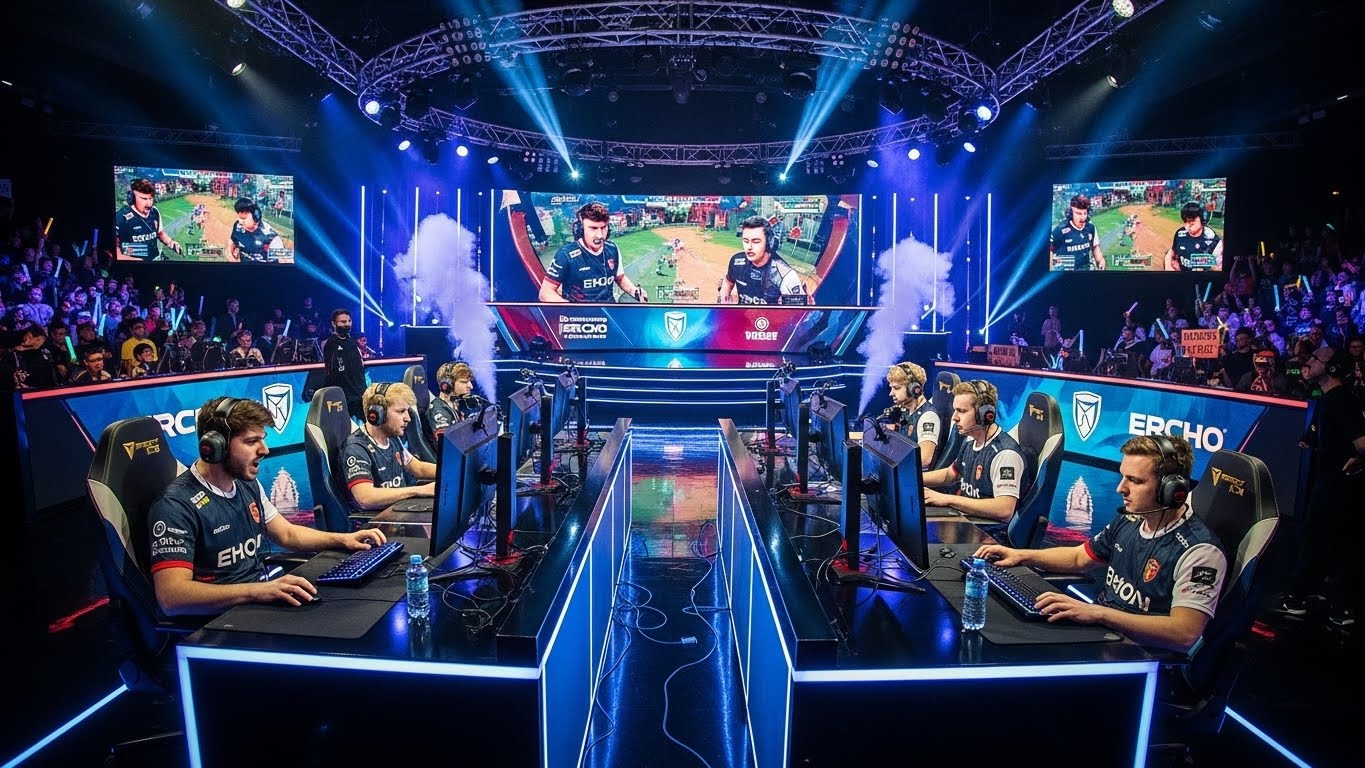
In the last decade, esports has transformed from a casual hobby into a global cultural and economic phenomenon. Once dismissed as mere video gaming, esports now commands millions of viewers, offers professional career opportunities, and rivals traditional sports in terms of competition and fan engagement. This digital evolution of competition showcases the convergence of technology, skill, strategy, and entertainment in unprecedented ways.
The Origins of Esports
Esports, short for electronic sports, traces its roots to the early days of video gaming. In the 1970s and 1980s, arcades became the first stages for competitive gaming, where players competed for high scores in games like Space Invaders and Pac-Man. As gaming consoles became widespread, multiplayer competitions emerged, allowing friends and strangers to face off in games such as Street Fighter and Mortal Kombat.
The true globalization of esports began with the advent of the internet. Online multiplayer games like StarCraft in South Korea and Counter-Strike in Europe created communities of competitive players, turning casual gameplay into serious competition. This marked the birth of esports as a structured, competitive activity rather than a recreational pastime.
Why Esports Appeals to Millions
Esports captivates audiences for several reasons. Unlike traditional sports, where physical prowess is central, esports emphasizes mental agility, reflexes, and strategy. Each game presents a unique set of mechanics, strategies, and dynamics that demand mastery. Players must adapt to rapidly changing situations, communicate effectively with teammates, and anticipate opponents’ moves.
For spectators, watching skilled players execute precise strategies and react under pressure is thrilling. The interactive nature of esports further enhances its appeal. Fans can watch live streams, engage with players in real-time, and become part of a community that shares a passion for gaming. This level of engagement is unique to the digital arena and contributes to esports’ exponential growth.
The Professionalization of Esports
Esports has evolved into a professional industry with structured teams, coaches, analysts, and training facilities. Professional players dedicate long hours to practice, studying game mechanics, analyzing opponents, and maintaining peak mental and physical condition. Training is comprehensive, often including exercise routines, diet management, and mental coaching to ensure optimal performance during tournaments.
Leagues such as the League of Legends Championship Series, Dota Pro Circuit, and Overwatch League have created standardized competition formats, franchising models, and significant prize pools. Sponsorships from multinational companies and media coverage have further legitimized esports, turning it into a viable and respected career path.
Economic Impact of Esports
The financial implications of esports are staggering. The industry generates revenue from tournaments, sponsorships, advertising, merchandising, and digital streaming. Top-tier tournaments offer multi-million-dollar prize pools, attracting the best players from around the globe.
Beyond players, esports supports numerous careers in game development, event management, broadcasting, marketing, and content creation. Cities hosting major esports events experience economic boosts from tourism, hospitality, and infrastructure improvements. The economic footprint of esports demonstrates that competitive gaming is not only entertainment but also a significant contributor to the global economy.
Esports and Youth Culture
Esports has become a defining element of youth culture. For many young people, gaming is not just entertainment—it is a passion, a means of socialization, and a platform for achievement. Schools and universities increasingly recognize esports as an organized activity, offering scholarships, forming official teams, and encouraging competitive participation.
Participation in esports cultivates essential life skills. Players develop strategic thinking, teamwork, communication, problem-solving, and resilience. Unlike many traditional sports, esports is inclusive and accessible, allowing individuals regardless of physical ability or background to compete on an equal footing. This accessibility has contributed to the widespread appeal and growth of esports among younger generations.
Mental and Physical Challenges in Esports
Despite its benefits, esports poses unique challenges. Extended gaming sessions, high-pressure competitions, and the need for consistent performance can lead to mental fatigue, stress, and burnout. Professional players often face public scrutiny and immense expectations, requiring strong emotional resilience.
Physical health is another critical consideration. Long hours at a computer or console can cause eye strain, repetitive strain injuries, and posture-related issues. To counteract these risks, professional esports organizations emphasize physical exercise, ergonomic equipment, and regular breaks. Balancing mental and physical well-being is essential for a sustainable esports career.
The Global Esports Community
One of esports’ most remarkable aspects is its global community. Players and fans connect across continents, transcending language, culture, and geography. Online platforms allow individuals to compete together, share experiences, and build friendships regardless of physical location.
Fans are deeply engaged, following teams and players passionately, participating in discussions, and creating content. Major tournaments attract millions of viewers worldwide, turning esports events into cultural phenomena. The sense of community and shared enthusiasm strengthens the bond between players and fans, making esports a unique social experience.
Technology Driving Esports
Technology has fueled the rise of esports. Advanced gaming hardware, high-speed internet, cloud gaming, and virtual reality have all contributed to making esports more competitive and immersive. Analytical tools, artificial intelligence, and performance-tracking software allow players to refine their skills and optimize strategies.
Live streaming platforms revolutionized how audiences consume esports. Fans can watch professional matches, interact with commentators, and participate in real-time discussions. Technology has transformed esports into a dynamic spectator sport, allowing global engagement and interaction at an unprecedented scale.
Career Opportunities in Esports
Esports offers diverse career opportunities beyond professional play. Coaches, analysts, commentators, event organizers, marketers, and content creators are all vital to the industry’s ecosystem. Success in esports requires dedication, creativity, technical knowledge, and strong communication skills.
Aspiring esports professionals must train diligently, adapt to changing games, and perform consistently under pressure. Emerging sectors like virtual reality esports, mobile gaming competitions, and interactive fan experiences are opening new pathways for career growth and innovation, making esports an expanding and evolving industry.
Inspirational Stories from Esports
The esports world is full of inspiring stories. Many professional players have overcome personal hardships, financial limitations, and societal skepticism to achieve global recognition. These narratives highlight the power of dedication, resilience, and strategic thinking, motivating aspiring gamers to pursue their dreams.
Role models in esports often contribute to social initiatives, mentorship programs, and mental health advocacy. Their influence extends beyond gameplay, demonstrating that esports can positively impact communities and inspire change.
Challenges Facing Esports
Despite its successes, esports faces ongoing challenges. Cheating, toxicity, mental health concerns, gender inequality, and excessive commercialization pose risks to the industry’s integrity. Addressing these issues requires collaboration between developers, teams, governing bodies, and fans.
Promoting fair play, inclusivity, and responsible gaming practices is crucial for maintaining the credibility and sustainability of esports. By prioritizing ethical standards and player well-being, the industry can continue to grow while preserving the excitement and community spirit that define competitive gaming.
The Future of Esports
The future of esports is full of promise. Technological advancements, increased investment, and broader societal acceptance will continue to expand the industry. Virtual and augmented reality may revolutionize the competitive gaming experience, offering immersive arenas and interactive fan participation.
Esports will likely continue shaping education, entertainment, and culture. Its inclusive and accessible nature ensures that it remains a platform for skill development, social connection, and personal growth. As esports evolves, it will redefine competition and inspire new generations of players and fans worldwide.
Conclusion: Esports Beyond Gaming
Esports is more than a form of entertainment; it is a cultural, social, and economic force. It blends strategy, skill, technology, and community, creating opportunities for players, fans, and professionals alike. From local gaming competitions to international tournaments, esports unites people across borders and backgrounds, fostering collaboration, innovation, and excitement.
The rise of esports reflects a broader shift in how society interacts with technology, entertainment, and competition. It challenges traditional notions of sport while offering new avenues for achievement and connection. As esports continues to grow, it will inspire future generations, redefine the meaning of competition, and secure its place as a permanent fixture in the global sporting and cultural landscape.