
Introduction
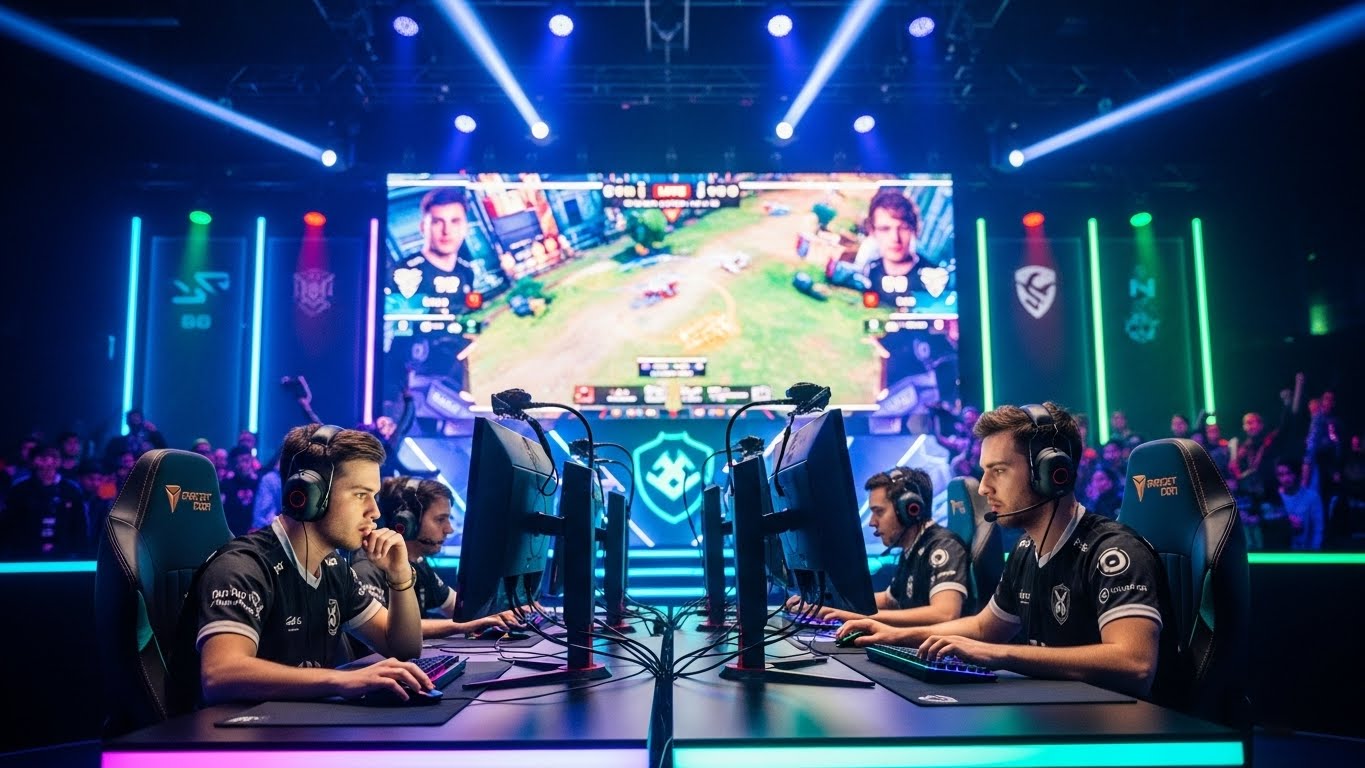
Esports has evolved from small gatherings of competitive gamers into a global entertainment industry that rivals traditional sports in viewership, revenue, and cultural influence. What was once considered a niche hobby is now a structured ecosystem involving professional teams, international tournaments, corporate sponsorships, media coverage, and millions of passionate fans. Esports is not just about playing video games at a high level; it is about competition, strategy, storytelling, and community. This blog explores how esports rose to prominence, how it functions today, the opportunities and challenges it presents, and where it may be headed in the future.
The Origins of Competitive Gaming
Competitive gaming did not appear overnight. Its roots can be traced back to the early days of video games, when players competed for high scores in arcades and local tournaments. As home consoles and personal computers became more common, competition shifted from physical spaces to digital ones. Early multiplayer games allowed players to test their skills against friends and strangers, laying the foundation for organized competition.
The expansion of the internet played a critical role in shaping esports. Online connectivity enabled players from different regions to compete regularly, share strategies, and form teams. Small online tournaments gradually grew into larger events with dedicated organizers, prize pools, and spectators. Over time, competitive gaming developed its own culture, complete with star players, rivalries, and iconic moments that fans still remember today.
The Structure of Modern Esports
Modern esports operates within a highly organized structure that mirrors traditional sports in many ways. Professional players typically belong to teams or organizations that provide salaries, coaching, training facilities, and support staff. These teams compete in leagues and tournaments across different games, each with its own rules, formats, and competitive seasons.
Game publishers play a central role in esports, as they own the intellectual property of the games being played. Some publishers manage their own leagues, while others collaborate with third-party tournament organizers. This creates a unique dynamic where the success of an esport is closely tied to the long-term popularity and balance of the game itself.
Broadcasting and production are also key components of the esports ecosystem. Matches are presented with professional commentary, analysis, and high-quality visuals to enhance the viewing experience. This level of production helps make esports accessible and engaging for both dedicated fans and newcomers.
Popular Esports Genres and Games
Esports is not limited to a single type of game. Instead, it spans multiple genres, each emphasizing different skills and strategies. Multiplayer online battle arena games focus on teamwork, map control, and strategic decision-making. First-person shooters highlight reflexes, precision, and tactical coordination. Real-time strategy games reward long-term planning, resource management, and adaptability.
Sports simulation games, fighting games, and digital card games also have strong competitive scenes. This diversity allows esports to appeal to a wide range of players and viewers, each drawn to the style of competition that resonates most with them. The variety of games ensures that esports remains dynamic, with new titles emerging and older ones evolving over time.
The Life of a Professional Esports Player
Becoming a professional esports player requires far more than casual gaming skill. Top players dedicate countless hours to practice, studying game mechanics, analyzing opponents, and refining teamwork. Training often involves structured schedules, similar to those followed by athletes in traditional sports.
Mental resilience is just as important as technical skill. Professional players must perform under pressure, adapt to frequent updates and balance changes, and cope with public scrutiny. Careers in esports can be relatively short, as reaction time and motivation may decline over time. As a result, many players plan for the future by transitioning into roles such as coaching, content creation, or analysis.
Despite the challenges, a professional esports career can be highly rewarding. Players gain recognition, travel opportunities, and the chance to compete at the highest level of their passion. For many, the sense of achievement and community outweighs the risks involved.
Esports as a Global Spectator Experience
One of the defining features of esports is its massive global audience. Fans from different countries and cultures tune in to watch major tournaments, often supporting teams or players from their region. Live events fill large arenas with cheering crowds, while online broadcasts attract millions of viewers simultaneously.
The interactive nature of esports viewership sets it apart from traditional sports. Fans can engage directly with broadcasts through live chats, social media discussions, and community forums. This real-time interaction strengthens the connection between players and audiences, making esports feel more personal and inclusive.
Storylines also play a major role in attracting viewers. Underdog victories, long-standing rivalries, and dramatic comebacks create emotional investment. These narratives help transform matches into memorable experiences that extend beyond the game itself.
Economic Impact and Career Opportunities
Esports has grown into a significant economic force. Revenue streams include sponsorships, advertising, media rights, merchandise, and ticket sales. Brands from both gaming and non-gaming industries invest in esports to reach younger, digitally engaged audiences.
Beyond professional players, esports supports a wide range of careers. Event organizers, coaches, analysts, broadcasters, marketers, designers, and software developers all contribute to the industry. Educational institutions have also begun offering esports-related programs, recognizing the field as a legitimate area of study and employment.
This expanding job market demonstrates that esports is more than entertainment. It is an industry with diverse professional pathways and long-term potential for growth.
Challenges Facing the Esports Industry
Despite its success, esports faces several challenges that must be addressed to ensure sustainable growth. Player health and well-being are ongoing concerns, as long practice hours can lead to physical strain and mental burnout. Organizations are increasingly aware of the need for proper support systems, but standards vary widely.
Another challenge is maintaining competitive integrity. Issues such as cheating, match-fixing, and inconsistent regulations can undermine trust in the industry. Establishing clear rules, transparent governance, and effective enforcement is essential for long-term credibility.
Financial stability is also a concern for some teams and leagues. While top organizations thrive, smaller ones may struggle to remain profitable. Balancing investment, revenue, and realistic expectations will be crucial as the industry matures.
The Cultural Influence of Esports
Esports has had a profound impact on modern culture, particularly among younger generations. It has reshaped perceptions of gaming, transforming it from a solitary pastime into a shared social experience. Competitive gaming communities foster collaboration, creativity, and global connections.
Esports has also influenced fashion, music, and language, with team apparel and gaming terminology becoming part of mainstream culture. Streamers and professional players often serve as influencers, shaping trends and conversations beyond the gaming world.
Importantly, esports has opened doors for greater inclusivity in competition. While challenges remain, the digital nature of esports provides opportunities for individuals who may face barriers in traditional sports. This potential for accessibility adds to its cultural significance.
The Future of Esports
The future of esports is filled with possibility. Advances in technology are likely to enhance both gameplay and viewing experiences, making competition more immersive and engaging. As internet infrastructure improves globally, new regions will continue to join the competitive scene.
Esports may also see greater integration with traditional sports and entertainment. Collaborations between leagues, teams, and media companies could bring esports to even wider audiences. At the same time, the industry will need to balance innovation with stability, ensuring that growth does not come at the expense of players or fans.
Ultimately, esports is still defining itself. Its ability to adapt, self-regulate, and prioritize community will determine how it evolves in the years to come.
Conclusion
Esports represents a powerful shift in how competition and entertainment are experienced in the digital age. From its humble beginnings to its current global presence, it has proven that skill, dedication, and passion can thrive in virtual arenas just as they do in physical ones. While challenges remain, the continued growth of esports suggests that it is more than a trend. It is a lasting part of modern culture, offering new ways to compete, connect, and celebrate excellence beyond the screen.