
Introduction: The Rise of Esports
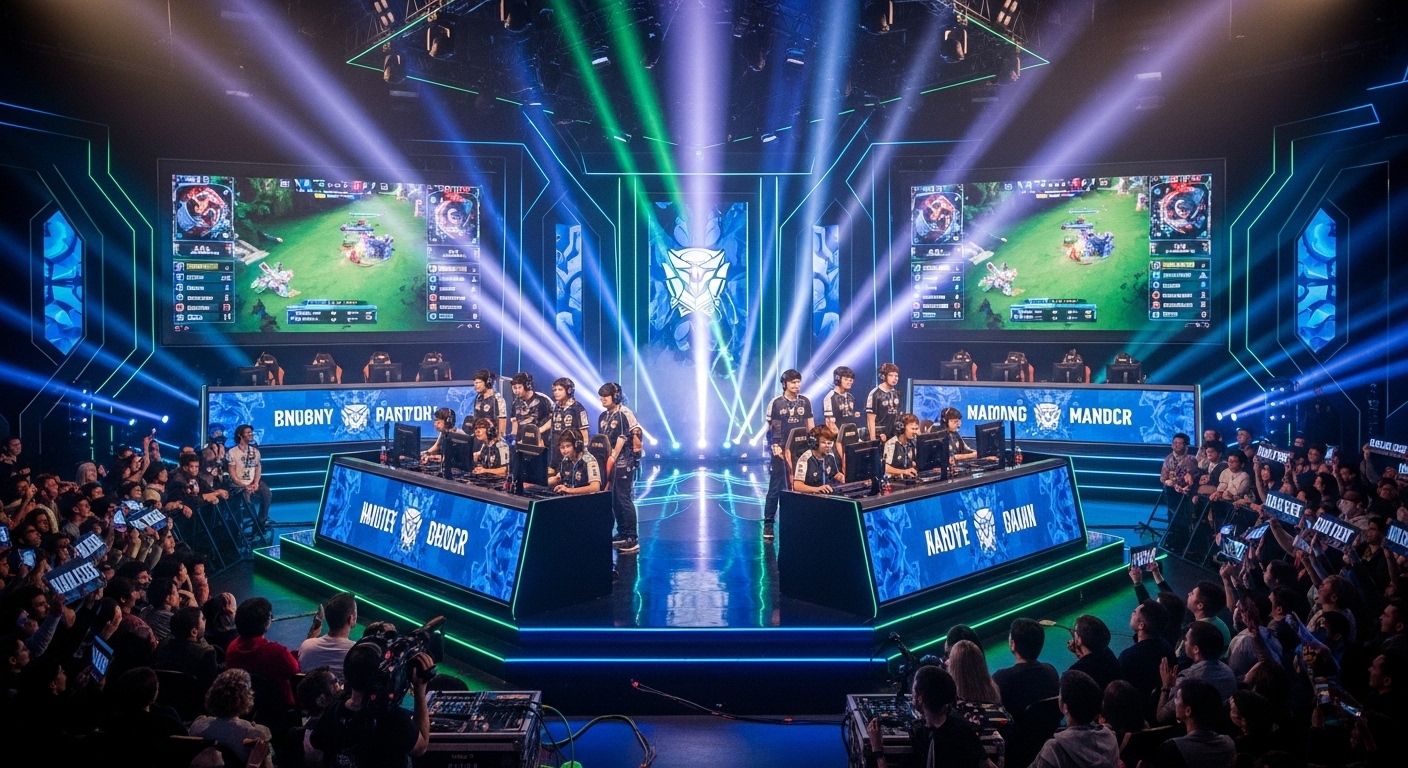
Esports, or competitive video gaming, has evolved from niche hobbyist gatherings into a global phenomenon. What once began as informal tournaments in arcades and LAN parties has transformed into a billion-dollar industry that attracts millions of viewers, professional players, and sponsorship deals. Esports is no longer just a pastime; it is a cultural, social, and economic force that has reshaped how people view competition, entertainment, and community in the digital age. This blog explores the evolution of esports, its impact on society, the rise of professional players, and what the future holds for this rapidly growing industry.
The Origins of Esports
The origins of competitive gaming can be traced back to the late 1970s and early 1980s, when video games like Space Invaders and Pac-Man began drawing attention for competitive play. Early tournaments were small-scale, often organized in arcades or through university networks. The real turning point came with the rise of multiplayer PC games in the 1990s, such as StarCraft and Counter-Strike, which allowed players to compete online in real-time. These early competitions laid the foundation for the esports industry by proving that video gaming could offer skill-based, competitive entertainment that attracted both players and spectators.
Esports as a Professional Career
One of the most significant changes in the world of esports is its recognition as a legitimate profession. Professional esports players now train rigorously, maintain strict schedules, and compete in leagues and tournaments with substantial prize pools. Organizations recruit players, provide coaching staff, and manage marketing and sponsorship deals, similar to traditional sports teams. Successful players can earn millions through tournament winnings, brand endorsements, and streaming platforms. The professionalization of esports has not only raised the level of competition but also inspired a new generation of gamers to pursue it as a serious career.
Popular Esports Games and Genres
Esports encompasses a wide range of genres, each with unique competitive mechanics and audience appeal. First-person shooters like Counter-Strike: Global Offensive and Call of Duty emphasize precision, strategy, and reflexes. Multiplayer online battle arenas, or MOBAs, such as League of Legends and Dota 2, demand teamwork, resource management, and long-term planning. Real-time strategy games like StarCraft require high-speed decision-making and tactical thinking. Sports simulations, racing, and fighting games also have dedicated competitive scenes. Each genre attracts different players and audiences, making esports diverse and inclusive for a broad range of gaming interests.
The Global Reach of Esports
Esports has grown into a global phenomenon, with players, teams, and audiences spanning every continent. Countries like South Korea and China have been at the forefront of esports for decades, creating professional leagues and cultivating a culture where gaming is both a career and a celebrated pastime. Western countries have followed suit, investing heavily in esports infrastructure, tournaments, and marketing. International competitions such as the League of Legends World Championship and The International for Dota 2 attract millions of viewers online and fill stadiums worldwide, highlighting the global appeal and accessibility of competitive gaming.
Streaming Platforms and Audience Engagement
One of the key drivers of esports growth is the rise of streaming platforms. Services like Twitch, YouTube Gaming, and other livestreaming platforms allow fans to watch tournaments, follow their favorite players, and interact with communities in real-time. This level of audience engagement has transformed esports from a passive viewing experience into an interactive spectacle. Fans can comment, react, and even influence in-game content during broadcasts. Streaming has also given rise to content creators who combine gameplay, commentary, and entertainment, further expanding the reach and influence of esports culture.
Sponsorships, Branding, and the Business of Esports
The esports industry has become a multi-billion-dollar business, attracting investments from technology companies, sports franchises, and global brands. Sponsorship deals, merchandise sales, advertising, and media rights contribute significantly to the revenue streams of esports organizations. Brands recognize the unique opportunity to reach a young, tech-savvy, and highly engaged audience through esports partnerships. Professional teams and tournaments often feature branded merchandise, live events, and promotional campaigns, creating a robust ecosystem where players, fans, and businesses thrive together.
Training and Skill Development in Esports
Professional esports players undergo extensive training to maintain peak performance. This includes practicing mechanics, strategies, teamwork, and mental conditioning. Unlike casual gaming, competitive esports requires a combination of reflexes, critical thinking, and adaptability. Many organizations employ coaches, analysts, nutritionists, and psychologists to support players’ physical and mental well-being. The rigorous training environment mirrors traditional sports, emphasizing discipline, focus, and constant improvement. This structured approach has elevated the quality of competition and further legitimized esports as a professional pursuit.
The Social Impact of Esports
Esports has a profound social impact, providing communities for people to connect, collaborate, and compete. Online multiplayer games foster teamwork and communication, while esports events bring fans together in shared spaces. Gaming communities often extend beyond competition, including forums, social media groups, and fan-driven initiatives. Esports also offers opportunities for inclusivity, allowing players from diverse backgrounds to participate regardless of age, gender, or physical ability. By creating social bonds and shared experiences, esports has become a platform for connection and belonging in the digital age.
Mental and Physical Challenges in Esports
While esports offers exciting opportunities, it also presents unique challenges. The high-pressure environment, long hours of practice, and competitive stress can lead to burnout, anxiety, and physical strain. Eye strain, repetitive motion injuries, and lack of exercise are common concerns for professional players. Organizations are increasingly addressing these issues by implementing wellness programs, mental health support, and structured training schedules. Recognizing and mitigating these challenges is essential to sustaining the growth and longevity of esports as a healthy and rewarding profession.
The Educational Potential of Esports
Esports is increasingly being integrated into educational programs and institutions. Universities and schools offer esports scholarships, teams, and curriculum focused on game design, strategy, and management. Participation in esports can teach valuable skills such as teamwork, leadership, communication, and strategic thinking. Competitive gaming programs also encourage discipline, time management, and resilience. By bridging entertainment with education, esports provides students with practical skills and opportunities for personal growth and career development.
Esports and Technology Innovation
The growth of esports has driven significant technological innovation in gaming hardware, software, and broadcasting. High-performance gaming PCs, specialized controllers, and fast internet infrastructure have become standard requirements for competitive play. Tournament organizers invest in advanced production techniques, including multiple camera angles, live commentary, and augmented reality overlays, to enhance viewer experience. Esports has pushed the boundaries of technology, benefiting not only competitive gaming but also mainstream gaming, entertainment, and digital media industries.
The Future of Esports
The future of esports is poised for even greater growth and innovation. Advances in artificial intelligence, virtual reality, and cloud gaming will create new competitive formats and immersive experiences. International tournaments are likely to expand, reaching larger audiences and generating higher prize pools. Esports may become more closely integrated with traditional sports, education, and entertainment, further solidifying its role in mainstream culture. As technology evolves and the community grows, esports will continue to redefine competition, creativity, and social engagement in the digital era.
Conclusion: Esports as a Cultural Revolution
Esports has evolved into far more than just competitive gaming. It is a cultural, social, and economic force that influences technology, entertainment, and education worldwide. From professional players and global tournaments to streaming communities and brand partnerships, esports represents a unique convergence of competition, creativity, and connection. As it continues to grow and innovate, esports is redefining what it means to compete, collaborate, and engage in the modern digital age. Beyond the screen, esports is shaping culture, inspiring new generations, and proving that video games are more than games—they are a transformative experience.