
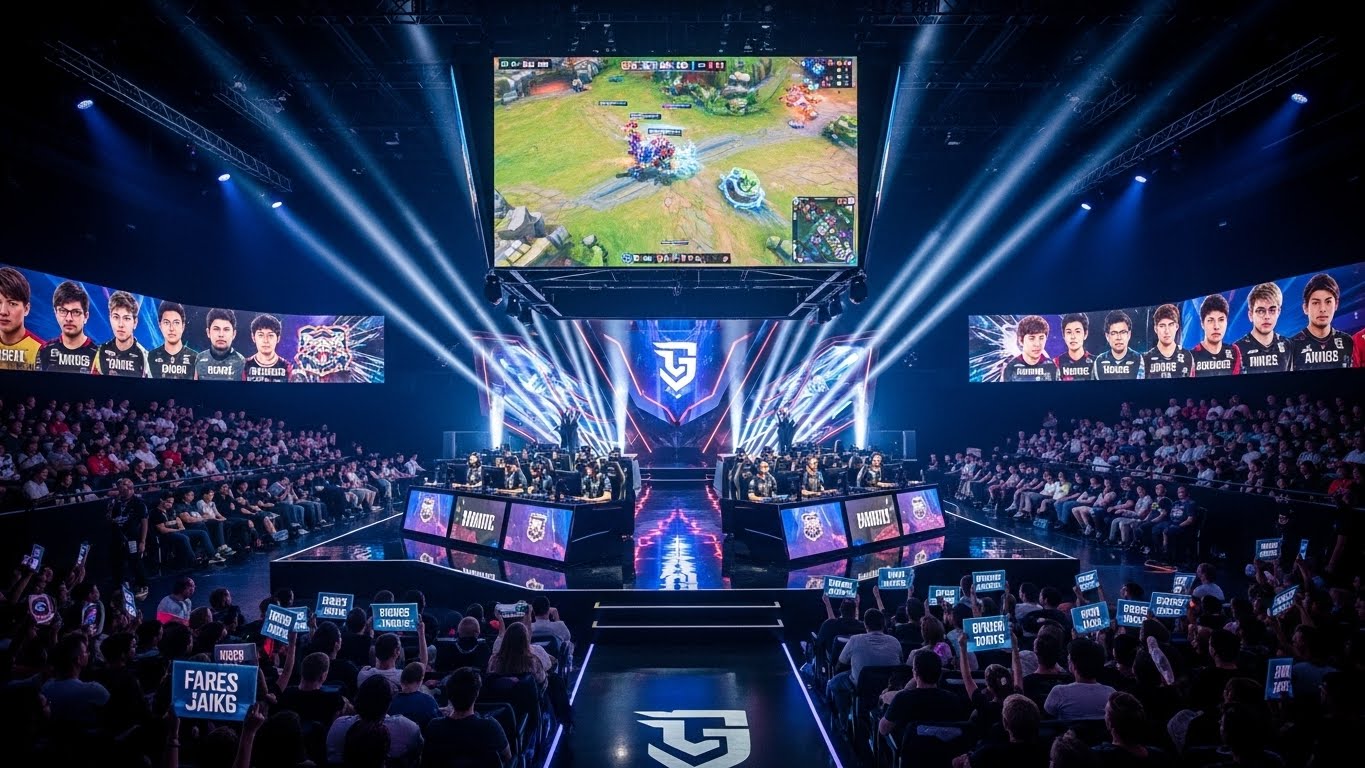
Esports, once considered a niche hobby, has grown into a global phenomenon with a massive following, professional leagues, and lucrative sponsorships. Competitive gaming is no longer confined to basements or small online communities; it has become a mainstream form of entertainment, education, and career. From casual gamers to professional athletes, esports is transforming how society perceives video games and competition. This blog explores the evolution of esports, its cultural and economic impact, the challenges it faces, and the opportunities it presents for the future.
The Evolution of Esports
Esports traces its roots back to the early days of video gaming. Competitive gaming began in the 1970s with simple arcade games, but it was the rise of personal computers and consoles in the 1990s that laid the foundation for organized competitions. Games like “StarCraft” and “Counter-Strike” became early staples in the competitive gaming scene, drawing players and spectators alike.
The 2000s marked the professionalization of esports, with leagues, tournaments, and online streaming platforms emerging. The creation of live streaming platforms allowed fans to watch gameplay in real time, expanding the audience and making esports more accessible. Today, esports is a billion-dollar industry with professional teams, sponsored events, and tournaments broadcast to millions worldwide.
Popular Esports Games and Genres
Esports encompasses a wide range of game genres, each with unique communities and competitive structures. Multiplayer Online Battle Arenas (MOBAs) like “League of Legends” and “Dota 2” emphasize strategy, teamwork, and quick decision-making. First-Person Shooters (FPS) such as “Counter-Strike: Global Offensive” and “Call of Duty” focus on precision, reaction time, and coordination.
Sports simulation games like “FIFA” and “NBA 2K” appeal to fans of traditional sports, while Battle Royale games like “Fortnite” and “PUBG” combine survival skills with tactical gameplay. Fighting games, racing games, and rhythm-based games also have competitive scenes, demonstrating the diversity and inclusivity of esports. Each genre offers unique challenges and rewards, attracting players with different skill sets and interests.
Esports as a Career Path
For many, esports is no longer just a hobby—it is a viable career path. Professional esports athletes compete in tournaments with substantial prize pools, receive sponsorships, and often become influential personalities in the gaming community. Top-tier esports players dedicate hours daily to training, strategy, and teamwork, similar to traditional athletes.
Beyond playing, careers in esports include coaching, broadcasting, content creation, event management, and game development. Analysts and commentators play a critical role in engaging audiences, explaining strategies, and enhancing the spectator experience. As the industry continues to grow, esports offers a wide array of professional opportunities for individuals with diverse talents and expertise.
The Role of Streaming Platforms
Streaming platforms have been instrumental in the growth of esports. Platforms like Twitch, YouTube Gaming, and others allow players to broadcast their gameplay to global audiences, build communities, and generate income through subscriptions, donations, and sponsorships. Streaming also provides exposure for amateur players, offering pathways to competitive careers.
These platforms have transformed how fans interact with esports. Viewers can communicate in real time with streamers, participate in online communities, and learn strategies from professional players. The interactivity and accessibility of streaming have democratized esports, allowing anyone with internet access to engage with the scene.
Esports and Global Culture
Esports has become a significant part of modern culture, influencing entertainment, fashion, and social interaction. Major tournaments are broadcast internationally, attracting millions of viewers and filling stadiums. Fans celebrate esports athletes as celebrities, and gaming merchandise, cosplay, and fan conventions have become cultural phenomena.
Esports also promotes inclusivity and diversity. Unlike many traditional sports, esports often welcomes players regardless of gender, physical ability, or geographical location. Online platforms enable collaboration across continents, fostering a sense of global community and shared passion.
Mental and Physical Demands of Esports
Contrary to stereotypes, esports requires significant mental and physical effort. Competitive players must maintain peak focus, strategic thinking, and rapid reflexes during long hours of gameplay. Hand-eye coordination, multitasking, and quick decision-making are critical for success.
Physical health is also important. Many esports organizations emphasize fitness, proper nutrition, and mental health to prevent burnout and injuries such as repetitive strain. Training regimens for professional players often include physical exercise, cognitive exercises, and rest schedules, highlighting the holistic approach required to succeed in esports.
Economic Impact of Esports
Esports has become a major economic driver, with revenue generated from sponsorships, advertising, media rights, merchandise, and tournament prize pools. Major corporations, including technology brands, energy drinks, and apparel companies, sponsor events and teams, recognizing esports’ marketing potential and global reach.
Local economies also benefit from hosting esports tournaments. Events attract visitors, fill hotels, and create temporary employment opportunities. The rapid growth of esports has also encouraged investments in infrastructure, such as gaming arenas, training facilities, and production studios, contributing to broader economic development.
Education and Esports
Esports is increasingly being integrated into educational systems. Schools and universities are developing esports programs, offering scholarships, courses, and organized teams. These initiatives provide students with opportunities to develop teamwork, problem-solving, and leadership skills while pursuing their passion for gaming.
Academic programs also explore esports-related careers such as game design, broadcasting, and digital marketing. By recognizing esports as a legitimate form of competition and education, institutions are bridging the gap between gaming and professional development, creating pathways for future careers in the industry.
Challenges Facing the Esports Industry
Despite its rapid growth, esports faces several challenges. Player burnout and mental health concerns are prevalent due to intense schedules and high expectations. Regulation and governance are still developing, raising questions about fair play, cheating, and ethical sponsorship practices.
Additionally, the industry faces criticism regarding inclusivity, with gender disparities and toxic online communities requiring attention. Sustainable growth depends on addressing these challenges through proper regulations, support systems, and community engagement to ensure esports remains a safe and equitable space for players and fans alike.
The Future of Esports
The future of esports looks promising and dynamic. Advancements in technology, such as virtual reality, augmented reality, and artificial intelligence, will further transform the gaming experience and competitive landscape. VR and AR esports could offer immersive competitions, while AI-driven analytics may optimize training and strategy development for players.
Esports is also likely to become increasingly mainstream, with more integration into traditional media, partnerships with sports organizations, and recognition in educational and professional systems. As the industry grows, it has the potential to reshape entertainment, career pathways, and global culture in unprecedented ways.
Conclusion: Esports as a Cultural and Competitive Revolution
Esports is more than a trend; it is a cultural and competitive revolution. It combines the excitement of traditional sports with the creativity, innovation, and inclusivity of digital culture. From amateur players to professional athletes, from local tournaments to global championships, esports has proven that competitive gaming can inspire passion, community, and economic growth.
The rise of esports challenges conventional perceptions of gaming, demonstrating that skill, strategy, and dedication are just as vital in digital arenas as in physical ones. It encourages collaboration, technological engagement, and global connectivity, reflecting the broader impact of digital culture on society.
As esports continues to evolve, it offers limitless possibilities for players, audiences, and the industry itself. It is a testament to human innovation, adaptability, and the universal desire for competition and achievement. Esports is no longer just a pastime—it is a legitimate and transformative force shaping the future of entertainment, culture, and professional opportunity worldwide.