
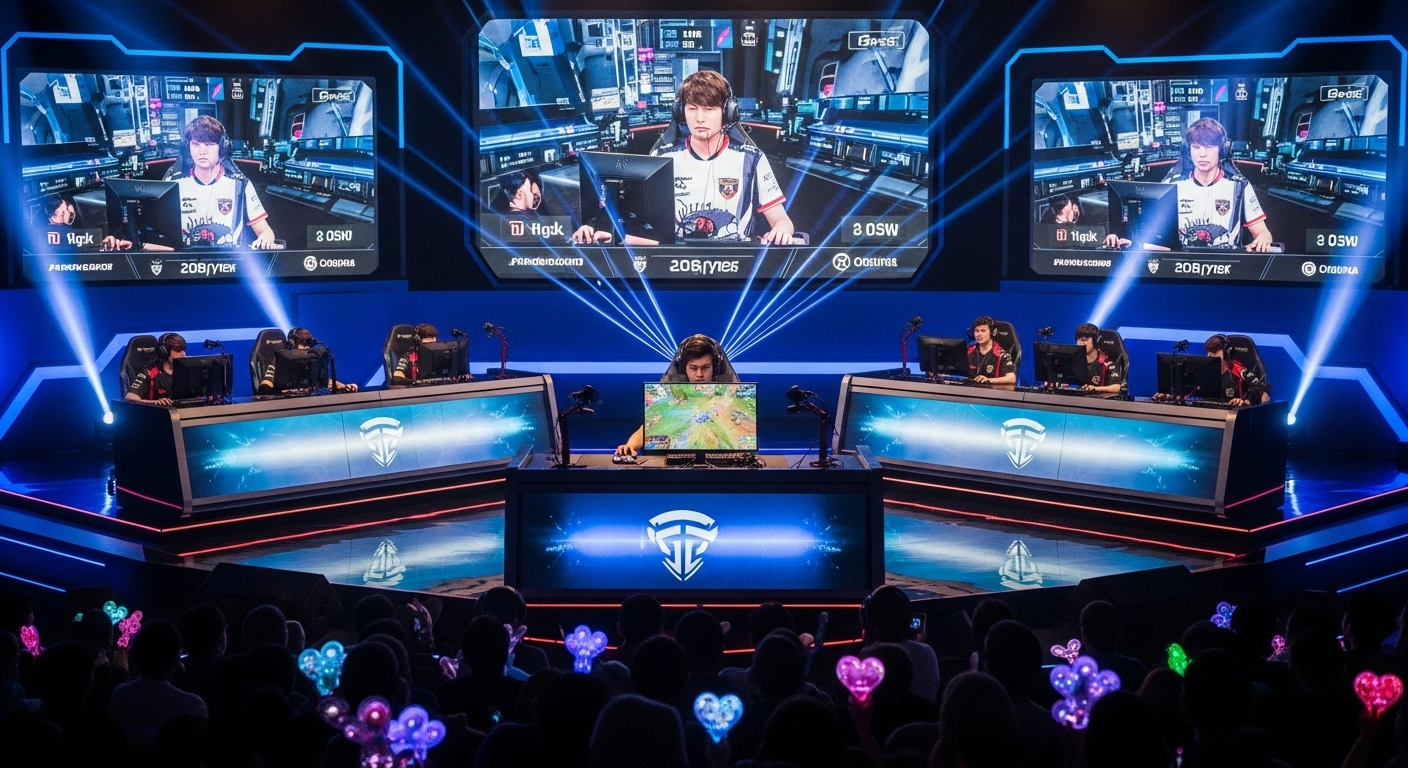
Introduction: The Rise of Esports in the Digital Age
Esports, or electronic sports, has emerged as one of the most dynamic and rapidly growing industries in the world. What started as a niche activity, with small competitions held among a limited group of gamers, has transformed into a global phenomenon with millions of fans, players, and spectators. Today, esports is a multibillion-dollar industry, and its influence extends far beyond the realm of gaming. Whether it’s the high-energy competition of League of Legends, the strategy and skill involved in Dota 2, or the fast-paced action of Fortnite, esports has captured the attention of both casual gamers and hardcore enthusiasts alike.
In this blog post, we will delve into the evolution of esports, exploring its rise from humble beginnings to its current position as a dominant force in the entertainment industry. We will examine the key elements that have contributed to its success, the role of esports in the broader cultural landscape, and the future of competitive gaming as it continues to grow and evolve.
The Early Days of Esports: From LAN Parties to Global Tournaments
Esports began in the late 1990s and early 2000s with local area network (LAN) parties, where gamers would gather in physical spaces to compete against one another in multiplayer video games. These events were often informal, with friends and acquaintances coming together to challenge each other in games like StarCraft, Quake, and Warcraft. The appeal was simple: players enjoyed the thrill of competition, the chance to test their skills, and the camaraderie of playing with like-minded individuals.
As internet speeds improved and online gaming became more accessible, the scope of competitive gaming began to expand. Games like Counter-Strike and Warcraft III introduced organized tournaments with cash prizes, drawing in larger audiences and attracting the attention of sponsors and media outlets. Esports events started to be broadcasted on niche television channels and later online streaming platforms, allowing gamers to follow professional competitions from the comfort of their homes.
In 2000, the creation of the World Cyber Games (WCG) marked one of the first large-scale, international esports tournaments. The WCG helped legitimize esports as a competitive activity, offering substantial prize money and attracting top-tier players from around the world. This paved the way for other tournaments, such as the Electronic Sports World Cup (ESWC), which further helped establish esports as a serious and organized form of competition.
The Explosion of Esports: Mainstream Popularity and Global Events
As technology continued to improve and the internet became more widespread, esports experienced exponential growth. Online streaming platforms, particularly Twitch, played a crucial role in this explosion of popularity. Twitch allowed players to broadcast their gameplay to a global audience in real time, creating a community of viewers who could watch their favorite players, interact with one another, and engage with gaming culture in new ways. Twitch became a hub for esports content, with tournaments being streamed live and esports commentators providing play-by-play coverage of events.
Esports began to gain legitimacy in the eyes of the mainstream entertainment industry as well. Major sponsorships from companies like Coca-Cola, Intel, and Red Bull brought significant financial backing to esports tournaments, allowing organizers to offer larger prize pools and improve the production value of their events. As esports grew, it attracted attention from traditional sports broadcasters, with events like the League of Legends World Championship and The International for Dota 2 being televised or streamed by major networks.
The creation of prominent esports leagues, such as the Overwatch League (OWL) and the Call of Duty League (CDL), helped establish esports as a professional industry. These leagues mirror traditional sports leagues in their structure, with franchise teams, regular seasons, and postseason playoffs. As a result, esports has become a viable career path for gamers, with professional players earning substantial salaries, sponsorship deals, and recognition for their achievements.
Key Esports Titles: Games That Define the Genre
One of the primary reasons for the success of esports is the variety of games that offer different types of competition, appealing to a wide range of players and fans. Below are some of the key games that have helped shape the esports landscape:
- League of Legends (LoL): Perhaps the most iconic esports title, League of Legends has become the face of competitive gaming. Developed by Riot Games, LoL is a multiplayer online battle arena (MOBA) game where two teams of five players compete to destroy each other’s Nexus. LoL is known for its deep strategic gameplay, fast-paced action, and vibrant community. Its annual World Championship attracts millions of viewers worldwide, making it one of the most-watched esports events.
- Dota 2: Another MOBA that has had a significant impact on esports, Dota 2 is developed by Valve Corporation. Known for its complexity and high skill ceiling, Dota 2 has one of the most dedicated fanbases in esports. The International, Dota 2’s flagship tournament, features a prize pool that often exceeds $30 million, making it one of the richest tournaments in competitive gaming.
- Counter-Strike: Global Offensive (CS: GO): As one of the longest-running and most popular first-person shooters (FPS) in esports, CS: GO has been a staple of competitive gaming since its release in 2012. Developed by Valve and Hidden Path Entertainment, the game pits two teams against each other in objective-based matches, with one team trying to plant bombs while the other defends. The tactical nature of the game, combined with its high skill cap, has made it a favorite among competitive players.
- Overwatch: Developed by Blizzard Entertainment, Overwatch is a team-based first-person shooter with a unique twist—players choose from a diverse roster of heroes, each with their own abilities and roles. The Overwatch League (OWL) has been a major success in bringing esports to the mainstream, with cities around the world fielding their own professional teams. Overwatch’s colorful graphics, strategic depth, and emphasis on teamwork have made it a fan favorite.
- Fortnite: Though not initially designed with competitive gaming in mind, Fortnite quickly became one of the most popular esports titles. The game’s battle royale mode, where 100 players fight until only one remains, has attracted millions of players worldwide. The Fortnite World Cup, held in 2019, featured a $30 million prize pool, drawing attention from both gamers and mainstream media. Fortnite’s accessibility, cross-platform play, and frequent content updates have helped maintain its relevance in the esports scene.
Esports as a Career: From Player to Broadcaster
With the rise of esports, a new career path has emerged for talented gamers. Professional esports players now compete in high-stakes tournaments, earning salaries, sponsorships, and even streaming revenues. For the top players, esports can be a lucrative career that offers not only financial rewards but also fame and recognition.
Esports players often train for several hours a day, refining their skills and preparing for tournaments. The level of dedication required to reach the professional level is similar to that of traditional athletes, and the competition is fierce. Players also face the challenge of maintaining their mental and physical health, as the intense focus and long hours can take a toll on both their bodies and minds.
In addition to players, other career opportunities in esports have flourished. Coaches, analysts, and team managers play essential roles in helping players improve their skills and devise winning strategies. Esports broadcasters, commentators, and analysts provide live coverage of events, offering play-by-play commentary and analysis for viewers. Content creators and streamers, who make a living by streaming their gameplay on platforms like Twitch and YouTube, have also become an integral part of the esports ecosystem.
The rise of esports has led to the creation of esports organizations and teams that support players and foster talent. These organizations manage everything from sponsorship deals and team logistics to marketing and fan engagement. Just like traditional sports organizations, esports teams operate year-round, with regular practices, tournaments, and promotional activities.
The Cultural Impact of Esports: Changing the Entertainment Landscape
Esports has had a significant cultural impact, especially among younger generations. As traditional sports such as football and basketball face growing competition for attention, esports has become a cultural touchstone for millions of young fans around the world. The rise of streaming platforms and social media has enabled fans to connect directly with their favorite players, teams, and tournaments, creating a new kind of fan culture that blends entertainment, competition, and community.
Esports has also influenced the development of other industries, such as fashion, music, and technology. The esports industry has spawned its own merchandise, with team jerseys, branded apparel, and limited-edition collectibles becoming popular items for fans. Major music artists, such as Imagine Dragons and Marshmello, have performed at esports events, further blurring the line between traditional entertainment and gaming culture.
The relationship between esports and mainstream media has also become more pronounced. Esports events are now regularly featured on television, with major broadcasters like ESPN, Fox Sports, and NBC Sports airing tournaments. Digital platforms such as YouTube and Twitch have revolutionized the way fans consume content, offering on-demand streaming, live commentary, and social interaction with players and other fans.
The Future of Esports: Challenges and Opportunities
As esports continues to grow, it faces several challenges that could shape its future. One of the biggest concerns is ensuring the integrity of competitive gaming. Issues such as cheating, match-fixing, and player behavior have plagued the esports industry and can undermine its credibility. Organizations and governing bodies must implement strict regulations and develop systems to maintain fair play.
Another challenge is the sustainability of the esports ecosystem. As prize pools grow and players earn significant earnings, there are concerns about the long-term viability of the industry. The transition from player to post-playing career is another area of focus, as many professional gamers face difficulty adjusting to life after their competitive careers end.