
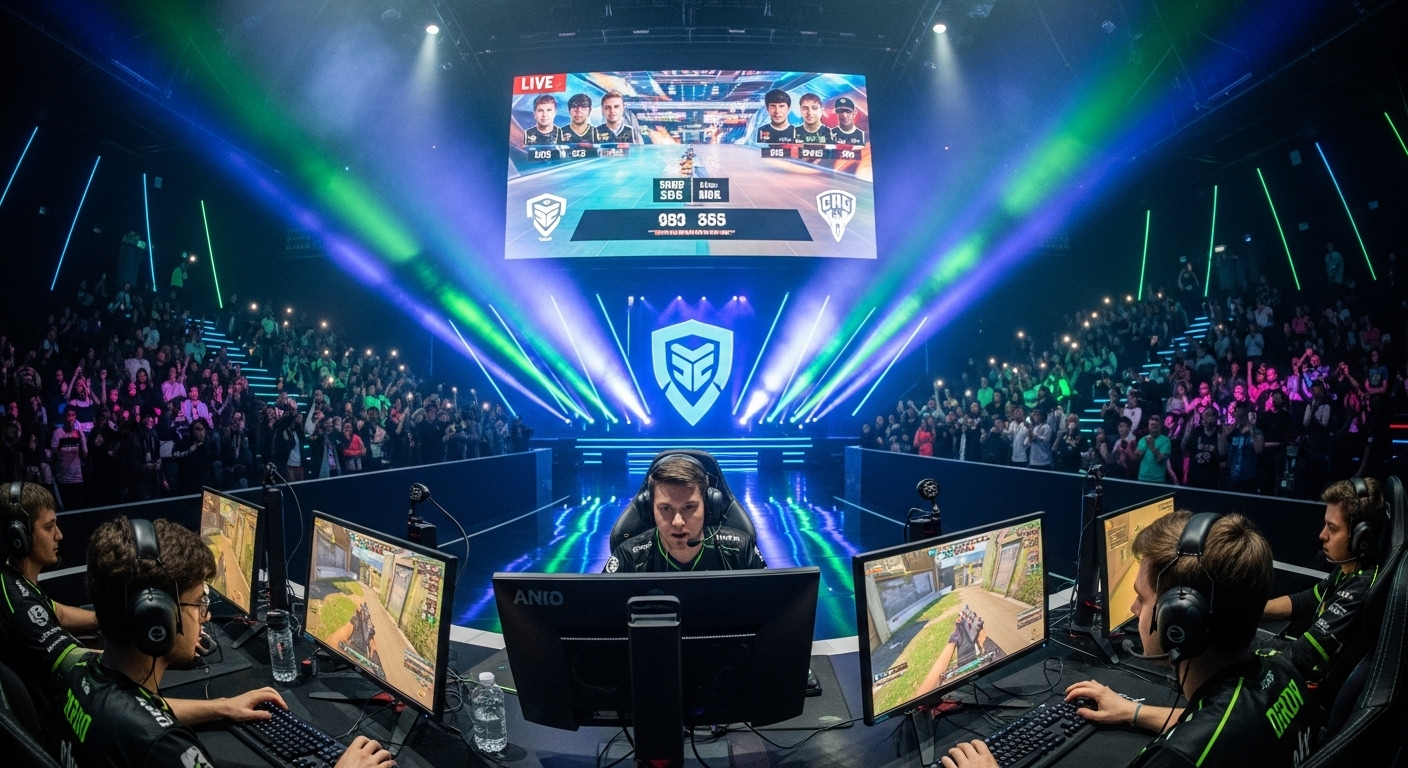
Introduction: Esports as a Global Phenomenon
Esports, short for electronic sports, has emerged as one of the fastest-growing industries in the world. What began as casual gaming among friends has transformed into a professional, competitive arena watched by millions worldwide. From streamed tournaments to multi-million-dollar sponsorships, esports has firmly established itself as a legitimate sport and entertainment medium. The appeal of esports lies not only in gameplay but in its ability to connect players, audiences, and communities across the globe. It represents the digital age’s interpretation of competition, skill, and human ambition.
The Origins of Competitive Gaming
Competitive gaming dates back several decades, beginning with arcade competitions in the 1970s and 1980s. Games like “Pong” and “Space Invaders” laid the groundwork for early competitive gaming culture. With the rise of personal computers and consoles in the 1990s, multiplayer games like “Doom,” “StarCraft,” and “Quake” introduced organized competition and online leaderboards. Players began to connect over networks, creating communities dedicated to improving skills and competing against each other.
The early tournaments were modest but set the stage for a global esports ecosystem. These competitions highlighted not just technical skill but strategic thinking, teamwork, and mental agility—qualities that define esports even today.
The Growth of Professional Esports
The 2000s saw a significant shift as games like “Counter-Strike,” “Warcraft III,” and “Dota” gained global popularity. Professional esports teams emerged, complete with coaching staff, sponsorships, and international tournaments. The creation of platforms such as Twitch and YouTube Gaming further accelerated the growth by providing a global audience for competitions and live streams.
Today, professional esports tournaments attract thousands of live spectators and millions of online viewers. Events like “The International” for Dota 2, the “League of Legends World Championship,” and the “Fortnite World Cup” have become cultural landmarks, offering enormous prize pools and media coverage rivaling traditional sports.
Esports as an Industry
Esports is now a multi-billion-dollar industry, encompassing sponsorships, broadcasting, merchandise, and event management. Companies across various sectors, including technology, food and beverage, and apparel, sponsor teams and tournaments, recognizing the immense marketing potential. Teams operate like professional sports franchises, with contracts, salaries, and structured training schedules.
Streaming has become a core part of the industry. Platforms like Twitch allow fans to watch their favorite players in real-time, engage through chat, and even support them financially through subscriptions and donations. This interaction creates a sense of community and loyalty, further solidifying esports as an entertainment phenomenon.
The Role of Strategy and Skill
Esports is more than just fast reflexes; it is a complex combination of strategy, teamwork, and mental acuity. Games like “Dota 2” and “League of Legends” require players to coordinate with teammates, make quick decisions, and anticipate opponents’ moves. First-person shooter games like “Counter-Strike” demand precision, spatial awareness, and strategic positioning.
Unlike traditional sports, esports emphasizes cognitive skills, such as critical thinking and multitasking. The mental endurance required to maintain focus during long matches is immense, and top players often practice for eight or more hours a day. This dedication reflects the professionalism and seriousness with which players approach the sport.
Global Accessibility and Inclusivity
One of esports’ greatest strengths is accessibility. Unlike traditional sports, which often require physical ability or significant financial investment, esports can be played on computers or consoles accessible to millions. This inclusivity allows people of all ages, genders, and abilities to participate and excel.
Furthermore, the global nature of esports enables players from diverse regions to compete on equal footing. Countries in Asia, Europe, North America, and Latin America are all represented in major tournaments. This worldwide reach fosters cultural exchange, community building, and shared passion, uniting fans and players across continents.
Esports as a Career Path
The professionalization of esports has created numerous career opportunities. Players, coaches, analysts, commentators, and content creators can now build lucrative careers around competitive gaming. Salaries for top-tier players often reach six figures, while successful streamers and content creators can earn even more through sponsorships and partnerships.
Universities and educational institutions have recognized the growing opportunities in esports. Some offer scholarships for esports players, while others provide programs in esports management, game design, and broadcasting. This formal recognition legitimizes esports as a career path and helps aspiring players and professionals enter the industry with structured support.
The Mental and Physical Challenges of Esports
While esports is a digital sport, the physical and mental demands on players are significant. Professional players face long hours of practice, travel, and competition, which can lead to fatigue and stress. Repetitive movements can also cause strain injuries, such as carpal tunnel syndrome or tendonitis.
Mental health is a growing concern within esports. The pressure to perform, intense competition, and public scrutiny can contribute to anxiety, depression, and burnout. Increasingly, teams are employing psychologists and wellness coaches to support players’ mental and emotional well-being. Recognizing and addressing these challenges is essential to sustaining the industry and protecting its athletes.
The Community and Culture of Esports
Esports thrives on its vibrant communities. Fans engage in online forums, social media, and live streaming chats, creating dynamic discussions around games, players, and tournaments. Cosplay, fan art, and themed events contribute to the culture surrounding esports, blending gaming with creativity and personal expression.
Esports culture also emphasizes teamwork, mentorship, and strategy. Many players form long-term friendships and connections through gaming, while communities often organize local tournaments and events. This social aspect is crucial to the growth and sustainability of esports, making it more than just a competitive endeavor—it is a shared experience.
Technology and the Future of Esports
Technology has been central to the growth of esports, and future innovations promise to expand its possibilities even further. Virtual reality, augmented reality, and cloud gaming could transform how players compete and how fans experience matches. Artificial intelligence may play a role in training, strategy analysis, and even game design, enhancing the competitiveness and depth of esports.
Additionally, technological improvements in streaming and interactive media will allow fans to engage with esports in new ways. Interactive broadcasts, real-time analytics, and immersive viewing experiences could make esports even more accessible and engaging for audiences worldwide.
Esports and Education
Esports is increasingly being integrated into educational settings. Schools and universities have recognized the value of esports in promoting strategic thinking, problem-solving, and collaboration among students. Academic programs and scholarships support competitive teams while providing educational opportunities in related fields like digital media, technology, and management.
Esports also fosters life skills such as communication, leadership, and time management. Participating in competitive gaming teaches students how to handle pressure, set goals, and work effectively with others—skills that are transferable to any career path.
The Social Impact of Esports
Esports has a profound social impact, creating communities and empowering individuals. It provides opportunities for youth to develop skills, gain recognition, and pursue careers in an industry previously inaccessible to many. Esports also promotes inclusivity, allowing people from diverse backgrounds to compete on equal terms.
Moreover, esports has inspired charitable initiatives and social awareness campaigns. Tournaments and streaming events often raise funds for causes like mental health, education, and disaster relief, demonstrating the positive influence the industry can have beyond entertainment.
Challenges and Ethical Considerations
Despite its growth, esports faces challenges and ethical considerations. Issues such as cheating, match-fixing, and the misuse of personal data threaten the integrity of competition. Ensuring fair play, transparency, and accountability is essential for sustaining trust in the industry.
Another challenge is balancing professional demands with player health. Esports organizations must prioritize wellness, training schedules, and fair compensation to ensure the longevity and well-being of athletes. Addressing these issues is crucial for the continued growth and legitimacy of esports.
Conclusion: Esports as the Future of Competitive Entertainment
Esports represents a paradigm shift in the way we understand competition, entertainment, and community. It blends technology, strategy, skill, and creativity to create a unique and global form of sport. From casual players to professional athletes, from small local tournaments to massive international championships, esports continues to inspire millions and shape the future of entertainment.
As technology evolves and esports becomes increasingly mainstream, it will continue to provide opportunities, build communities, and challenge our understanding of what it means to be an athlete. The digital arena is no longer a niche space—it is a powerful cultural force, proving that competition, passion, and human ingenuity can thrive in the digital age.