
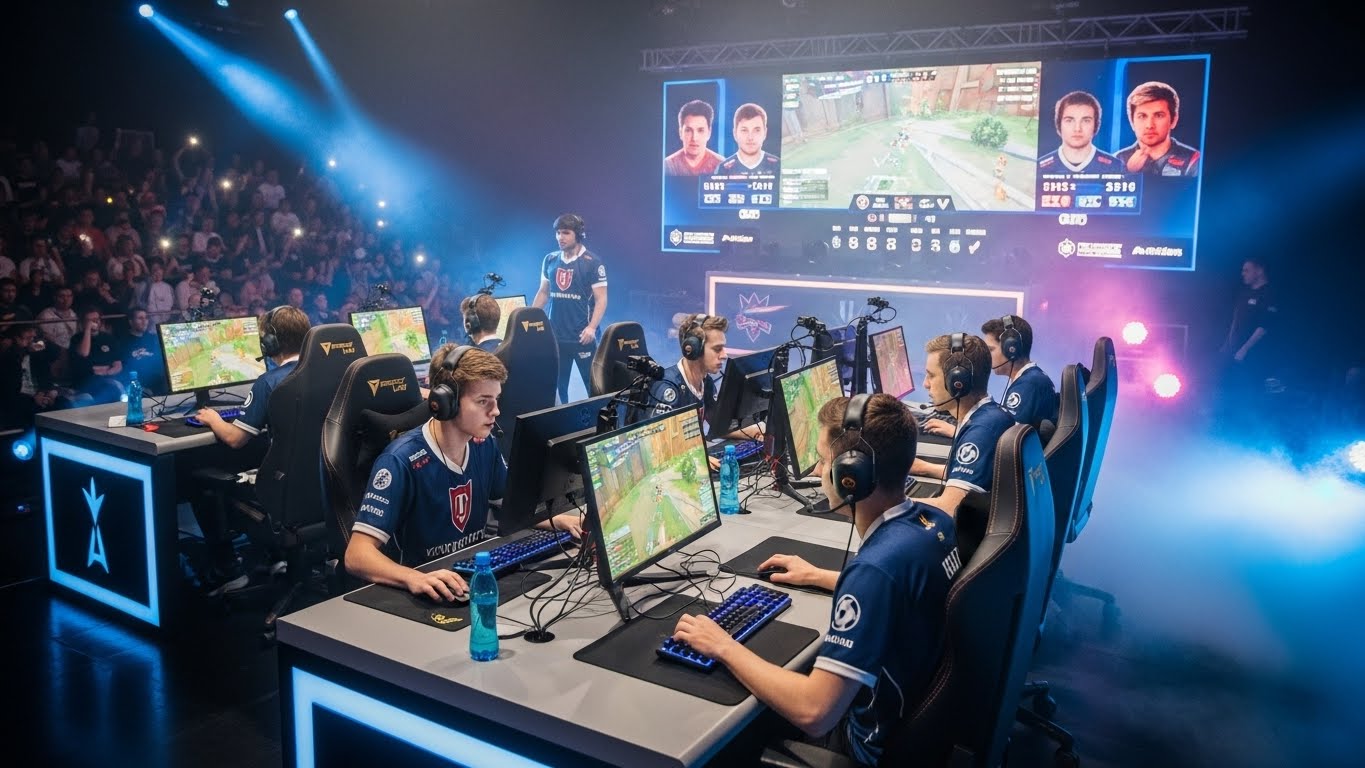
Introduction: The Rise of Esports
Esports, or electronic sports, has emerged as one of the fastest-growing entertainment and competitive industries in the world. What began as casual multiplayer gaming has evolved into a global phenomenon, attracting millions of players, viewers, and investors. Esports is not merely a hobby; it is a professional pursuit, a cultural movement, and a new frontier for competition.
From small local tournaments to international championships with multi-million-dollar prize pools, esports has transformed how people view video games. It has elevated gaming from leisure activity to a professional arena, where skill, strategy, and teamwork are recognized and celebrated. This shift has implications for technology, culture, education, and even the economy, making esports a transformative force in modern society.
The Evolution of Competitive Gaming
Competitive gaming has existed for decades, but the rise of esports as a structured industry is relatively recent. In the early 2000s, local LAN tournaments and online leaderboards laid the groundwork for organized competition. As internet connectivity improved and streaming platforms became popular, esports reached global audiences, connecting players and fans in real time.
Today, esports tournaments rival traditional sports in scale and production quality. Professional leagues have formal rules, coaches, analysts, and support staff. Teams operate like businesses, with training facilities, sponsorship deals, and brand management. This professionalization has elevated esports into a legitimate career path and a widely recognized form of competition.
The Popularity of Esports Across the Globe
Esports has a global fanbase that spans continents and demographics. From North America and Europe to Asia and South America, millions of people watch live streams, follow professional teams, and participate in community events. Games like League of Legends, Dota 2, Counter-Strike, Fortnite, and Valorant dominate competitive tournaments, attracting diverse audiences.
The accessibility of esports contributes to its popularity. Unlike traditional sports, esports does not require expensive infrastructure, making it easier for players worldwide to compete. Online platforms allow fans to watch tournaments from their devices, and social media enables interaction between players and audiences. This connectivity has created a thriving global community united by shared passion for competitive gaming.
Skills Developed Through Esports
Esports demands a unique combination of physical, mental, and social skills. Quick reflexes, precise hand-eye coordination, and fine motor control are essential for high-level performance. Equally important are strategic thinking, problem-solving, and adaptability, as players must analyze dynamic game situations and make rapid decisions.
Team-based esports emphasize communication, collaboration, and leadership. Players coordinate strategies, adapt to opponents’ moves, and manage resources effectively. Time management, focus, and discipline are also critical, as professional players spend hours training to improve their performance. These skills often translate to real-world contexts, enhancing cognitive abilities, teamwork, and personal development.
The Role of Strategy and Teamwork in Esports
Esports is not purely about individual talent; strategy and teamwork play a central role. Team-based games require careful planning, coordinated execution, and the ability to adjust tactics in real time. Coaches and analysts study opponents, devise strategies, and guide players through practice sessions, much like traditional sports teams.
Effective communication is critical in competitive play. Players must convey information quickly and clearly, anticipate each other’s actions, and support one another under pressure. The synergy between team members often determines success, highlighting the importance of collaboration and shared responsibility.
Professionalization of Esports
The professionalization of esports has transformed the industry. Players are now full-time athletes, receiving salaries, sponsorships, and prize winnings. Organizations invest in training facilities, nutrition programs, mental coaching, and performance analytics to optimize player performance.
Professional leagues mirror traditional sports in organization and scale. Tournaments are broadcast globally, with commentary, analysis, and fan engagement similar to that seen in football or basketball. Professional esports players are not just competitors—they are brands, influencers, and role models, shaping the culture and perception of gaming worldwide.
Esports as a Spectator Experience
Watching esports has become an engaging form of entertainment. Live streams, tournaments, and online platforms allow fans to follow their favorite players and teams in real time. High production values, commentary, and interactive features enhance the spectator experience, creating excitement and community engagement.
Spectators experience the thrill of competition, celebrate victories, and analyze strategies. The interactive nature of esports, where viewers can participate in chats, polls, and fan events, strengthens the bond between players and fans. This engagement has turned esports into a vibrant social phenomenon, where audiences are active participants rather than passive observers.
Economic Impact of Esports
Esports has significant economic influence. The industry generates revenue through sponsorships, advertising, merchandising, media rights, and ticket sales. Major tournaments attract global attention, boosting local economies through tourism, hospitality, and event management.
The growth of esports also creates employment opportunities. Professional players, coaches, analysts, event organizers, content creators, and marketing professionals all contribute to the ecosystem. Esports organizations operate as businesses, managing finances, branding, and talent development. The economic impact underscores the legitimacy and sustainability of esports as an industry.
Cultural Impact of Esports
Esports is reshaping global culture. It has created a shared language, traditions, and identity among gaming communities. Cosplay, fan art, online forums, and social media engagement foster creativity and community participation.
Esports also influences fashion, music, and digital media. Players and teams become cultural icons, inspiring trends and serving as role models for younger generations. The cultural impact extends beyond gaming itself, demonstrating how digital competition can shape society, identity, and entertainment practices.
Education and Career Opportunities in Esports
Esports has opened new pathways in education and careers. Universities and colleges now offer scholarships, degrees, and programs focused on competitive gaming, game design, and esports management. Students gain technical skills, teamwork experience, and business knowledge relevant to the growing industry.
Career opportunities extend beyond professional play. Coaching, broadcasting, event management, marketing, and content creation are all viable paths. Esports provides a platform for talent development, skill application, and entrepreneurship, making it a multifaceted industry with opportunities for diverse skill sets.
Challenges in Esports
Despite its rapid growth, esports faces challenges. Player burnout, mental health concerns, and excessive screen time are significant issues. Competitive pressure, long training hours, and public scrutiny can impact well-being, necessitating support systems for physical and mental health.
Regulation, standardization, and fair play are also ongoing concerns. Ensuring ethical practices, combating cheating, and maintaining balanced competition are critical for sustaining credibility and trust in the industry. Addressing these challenges is essential for the long-term growth and legitimacy of esports.
The Future of Esports
The future of esports is filled with possibilities. Advancements in virtual reality, augmented reality, and artificial intelligence will create more immersive and dynamic experiences. Cloud gaming may make high-level competition accessible to players regardless of location or hardware, expanding participation globally.
Esports may also continue to integrate with traditional sports, media, and entertainment, creating hybrid experiences that engage wider audiences. Grassroots initiatives and educational programs will cultivate future talent, while technological innovations will enhance both player performance and spectator enjoyment. The trajectory of esports points toward further expansion, professionalization, and cultural integration.
Conclusion: Esports as a Transformative Force
Esports is more than competitive gaming; it is a transformative force shaping entertainment, culture, education, and the economy. It challenges traditional notions of sports, celebrates digital talent, and connects people across the globe. Esports develops skills, fosters community, and inspires creativity, providing opportunities for personal and professional growth.
As the industry matures, esports will continue to redefine competition, entertainment, and social interaction. It demonstrates that skill, strategy, and teamwork are not limited to physical arenas but can thrive in digital landscapes. Esports represents the future of play, offering excitement, inspiration, and connection in ways that resonate with generations worldwide.