
Introduction
Esports, short for electronic sports, has emerged as one of the fastest-growing sectors in entertainment and digital culture. What once began as casual gaming among friends has evolved into a professional, global phenomenon attracting millions of players, fans, and investors. From amateur competitions to massive international tournaments with multi-million-dollar prize pools, esports is now an industry that rivals traditional sports in popularity and influence. Beyond gaming, esports fosters community, inspires innovation, and creates new career opportunities. This blog explores the history, growth, cultural impact, technological innovations, and future of esports, highlighting its transformative role in modern entertainment.
The Origins of Esports
The roots of esports date back to the late 1970s and 1980s, when video game arcades became social hubs for competitive play. Early tournaments focused on high scores in games like Space Invaders, Pac-Man, and Donkey Kong, where players competed for local recognition and small prizes.
The introduction of personal computers and home gaming consoles in the 1980s and 1990s expanded competitive gaming beyond arcades. Multiplayer titles such as Street Fighter, Mortal Kombat, and Warcraft allowed players to challenge opponents in structured matches. The rise of the internet in the 1990s marked a turning point, enabling gamers to connect across cities and countries, laying the foundation for online esports competitions.
The Rise of Professional Esports
Esports transitioned from hobbyist tournaments to professional competition during the early 2000s. Games like Counter-Strike, StarCraft, and Dota became the standard for organized leagues, drawing larger audiences and structured teams. Professional players emerged, dedicating extensive hours to practice, developing strategies, and mastering gameplay mechanics.
Esports organizations began forming, functioning similarly to traditional sports clubs. These organizations manage teams, hire coaches, provide training facilities, and handle sponsorships. Professional leagues introduced rankings, seasons, and world championships, giving esports legitimacy and global recognition. Today, esports athletes can earn salaries, endorsements, and prize money comparable to traditional sports professionals.
Popular Esports Genres and Games
Esports spans multiple genres, each with unique gameplay mechanics, strategies, and audiences. Multiplayer Online Battle Arena (MOBA) games, such as League of Legends and Dota 2, require teamwork, strategic planning, and precise execution. First-Person Shooters (FPS) like Counter-Strike: Global Offensive and Call of Duty emphasize reflexes, accuracy, and tactical thinking.
Fighting games such as Street Fighter and Tekken challenge players in one-on-one combat with precise timing and complex combos. Sports simulation games like FIFA and NBA 2K digitally recreate traditional sports, attracting fans of real-world athletic competitions. Battle royale games, including Fortnite and Apex Legends, combine survival strategy, resource management, and fast-paced action. This diversity ensures there is an esports genre for every type of gamer and fan.
Esports Tournaments and Global Competitions
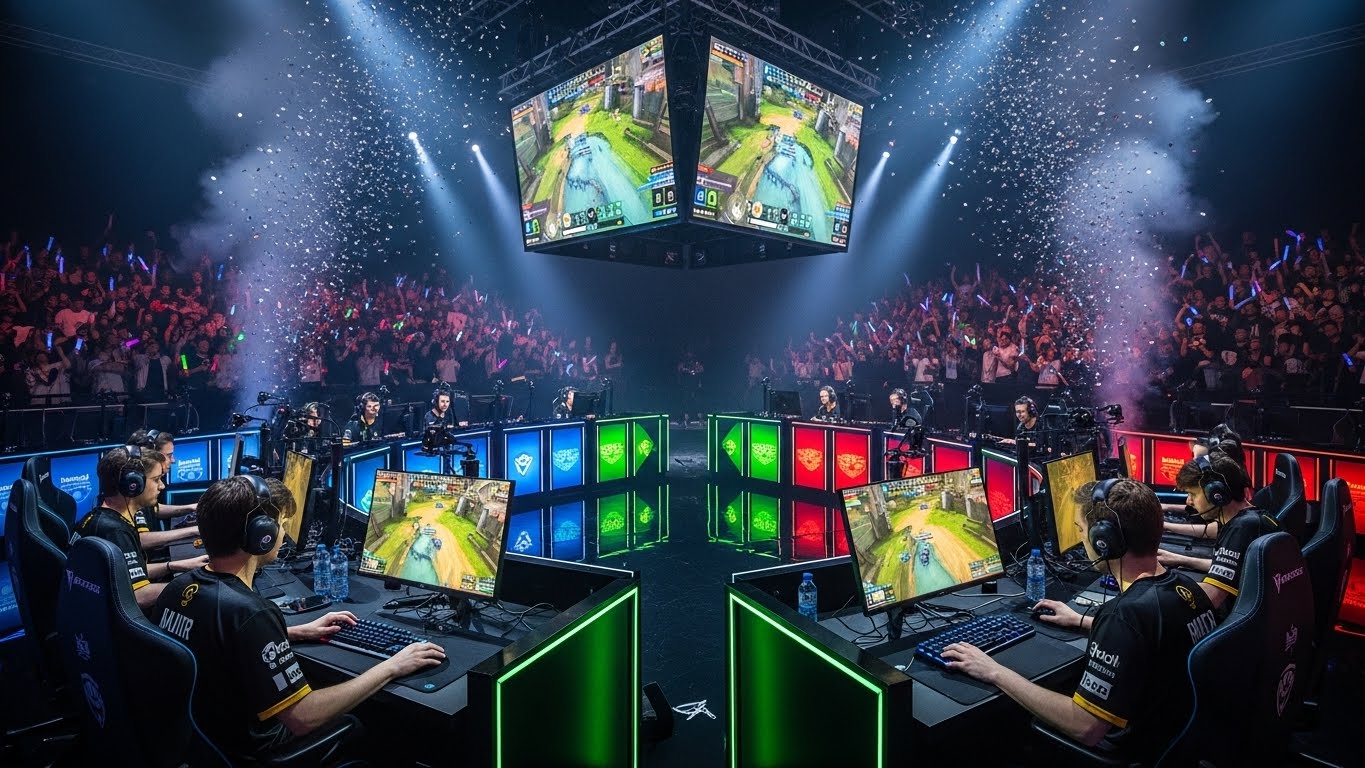
Tournaments are the backbone of esports, driving both competition and community engagement. Local events evolved into massive international competitions, attracting players and fans worldwide. The International Dota 2 Championship, the League of Legends World Championship, and the Fortnite World Cup are examples of tournaments with enormous prize pools, professional production, and global viewership.
These events are meticulously organized, featuring live commentary, analytical breakdowns, highlight reels, and engaging spectator experiences. Fans can follow matches in real-time through streaming platforms, creating a sense of global participation. Esports tournaments have become entertainment spectacles that rival major sporting events in excitement, viewership, and cultural significance.
The Role of Streaming Platforms in Esports
Streaming platforms have been crucial to the rise of esports. Services like Twitch, YouTube Gaming, and others allow players to broadcast their gameplay to global audiences. Streamers engage viewers through live commentary, interactive chats, and tutorials.
These platforms also allow fans to form communities, follow favorite players, and learn strategies. Streaming has democratized esports, enabling amateur players to gain visibility and build audiences while also supporting professional careers. Monetization opportunities such as subscriptions, donations, and sponsorships have turned streaming into a viable career path for many gamers, further solidifying the economic ecosystem around esports.
Technological Innovations Driving Esports
Technology lies at the heart of esports. High-performance gaming hardware, fast internet connectivity, and optimized game software are essential for competitive play. Precision peripherals, such as gaming mice and mechanical keyboards, enhance player performance.
Beyond hardware, analytics and artificial intelligence are increasingly influencing esports. Teams analyze opponents’ gameplay, track individual performance metrics, and develop data-driven strategies. Virtual reality and augmented reality are also emerging technologies that may revolutionize competitive gaming and spectator experiences. Technology ensures that esports continues to innovate, delivering more immersive and engaging experiences for both players and fans.
Economic Impact of Esports
Esports has grown into a multi-billion-dollar industry, with revenue streams that include sponsorships, advertising, media rights, merchandise, and ticket sales. Major brands invest heavily in esports because of its young, digitally savvy audience. These partnerships provide financial support to teams, leagues, and tournaments, fueling further growth.
The industry also creates employment opportunities beyond players, including roles for coaches, analysts, commentators, event organizers, and content creators. Infrastructure investment for tournaments, streaming, and gaming facilities stimulates technological and economic development, making esports a significant contributor to the digital economy.
Esports and Youth Engagement
Esports has become an essential part of youth culture. Young people worldwide engage with competitive gaming, either by playing, watching, or streaming. Schools and universities now offer esports programs, competitive teams, and scholarships, recognizing the educational and developmental potential of gaming.
Participation in esports develops skills such as strategic thinking, problem-solving, teamwork, and communication. Unlike traditional sports, esports is accessible to individuals regardless of physical ability, fostering inclusivity. Youth engagement in esports promotes digital literacy, collaboration, and social connection, preparing students for careers in gaming, technology, and media.
The Social and Cultural Influence of Esports
Esports has become a cultural phenomenon, influencing music, fashion, art, and entertainment. Gaming slang and terminology permeate online conversations and social media. Professional players and teams often become influencers, shaping trends and inspiring millions of fans.
Esports promotes global social interaction. Online communities, forums, and fan groups allow players and fans to connect across nations and languages. Cultural exchange, collaboration, and shared experiences are integral to esports, reflecting the interconnected nature of the digital era.
Challenges Facing Esports
Despite its rapid growth, esports faces challenges. Player burnout is common due to long practice hours and high competitive pressure. Mental health support and structured training schedules are essential for sustainable careers.
Regulatory issues remain a concern. Ensuring fair play, preventing cheating, enforcing age restrictions, and maintaining competitive integrity require consistent oversight. Inclusivity and diversity are also challenges, as the esports community continues to work toward equal opportunities for all genders, backgrounds, and abilities. Addressing these issues is vital for the long-term credibility and sustainability of esports.
The Future of Esports
The future of esports is promising and dynamic. Emerging technologies such as virtual reality, cloud gaming, and artificial intelligence will continue to enhance gameplay and viewer experiences. Esports may increasingly integrate with traditional sports, education, and entertainment, creating hybrid experiences that appeal to broader audiences.
Global adoption of esports will expand, reaching new regions and demographics. More educational institutions and organizations will invest in esports programs, training, and infrastructure. Professional leagues will continue to grow in structure and organization, attracting larger audiences and sponsorships. As esports matures, it will be recognized not just as gaming but as a legitimate competitive sport with cultural, educational, and economic significance.
Conclusion
Esports has evolved from casual gaming into a global entertainment powerhouse. It combines skill, strategy, teamwork, and technology to create unique experiences for players and fans. From professional leagues and international tournaments to streaming platforms and youth engagement, esports has transformed how people play, watch, and interact with games.
The growth of esports demonstrates the power of digital culture to unite communities, create careers, and inspire innovation. As technology advances and participation expands, esports will continue to redefine competition and entertainment in the 21st century. Its influence reaches far beyond the gaming world, shaping global culture, economics, and the future of digital interaction.