
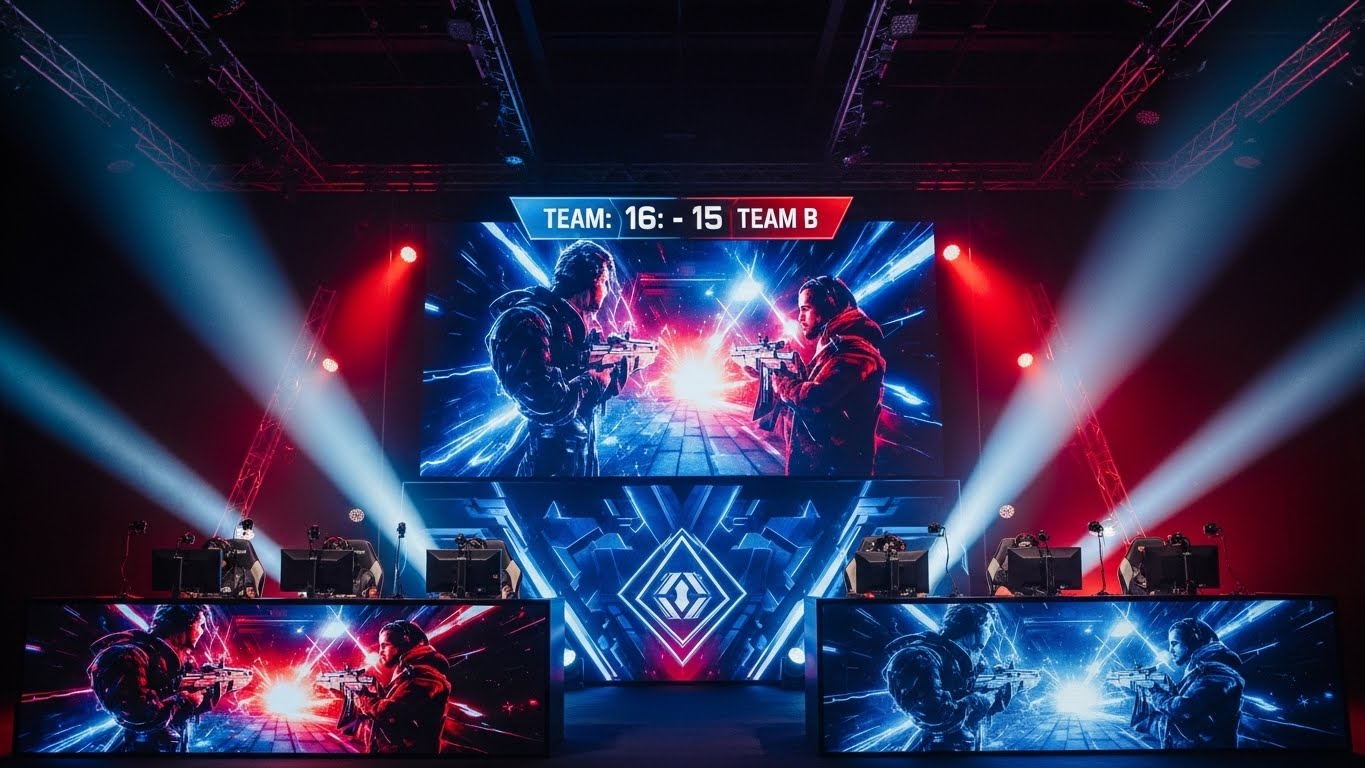
In recent years, the world of esports has undergone a monumental transformation, evolving from a niche hobby into a global phenomenon. Competitive gaming, once confined to small gatherings of passionate gamers, has now become a multi-billion-dollar industry with millions of fans, professional players, and dedicated esports organizations. Whether you’re a casual gamer, a dedicated fan, or a curious observer, esports has woven itself into the fabric of modern entertainment, offering thrilling competitions, massive prize pools, and even global recognition. In this post, we will explore the growth of esports, its impact on culture, and the factors that have contributed to its meteoric rise.
What is Esports?
Esports refers to organized, multiplayer video game competitions, particularly between professional players, teams, and organizations. Unlike traditional gaming, where individuals might play casually or socially, esports involves high-level competitions that are often broadcast live to audiences around the world. These competitions are typically held for popular games such as League of Legends, Dota 2, Counter-Strike: Global Offensive, Fortnite, and Overwatch, but esports is not limited to a specific genre of games. Whether it’s real-time strategy, first-person shooters, or battle royale games, esports encompasses a wide range of gaming genres.
The Birth and Evolution of Esports
While the modern esports industry began taking shape in the early 2000s, the roots of competitive gaming date back to the 1970s and 1980s. Early tournaments, like the “Space Invaders Championship” in 1980, brought together gamers in an attempt to crown the best player. However, it wasn’t until the late 1990s and early 2000s that esports began to gain substantial traction.
The rise of broadband internet and the increasing popularity of online gaming paved the way for larger-scale competitions. Games like StarCraft in South Korea, Counter-Strike, and Warcraft began forming competitive scenes. In the early 2000s, the rise of gaming organizations, tournament organizers, and streaming platforms laid the foundation for what would eventually become a multi-billion-dollar industry.
One of the first major esports events was the World Cyber Games (WCG), founded in 2000. The WCG became one of the most prestigious global competitions for players across various titles. As the demand for competitive gaming grew, companies like Blizzard Entertainment and Riot Games began organizing tournaments for their flagship titles, further solidifying the esports ecosystem.
The Modern Esports Industry: An Exploding Phenomenon
In 2023, esports is a massive, multi-faceted industry that stretches across the globe. Professional teams have sponsors, live-streaming platforms like Twitch and YouTube offer real-time broadcasts of tournaments, and massive esports arenas host championship events. Esports has evolved far beyond just players competing for cash prizes. It now includes broadcast rights, sponsorships, merchandise sales, and a growing fanbase that rival traditional sports.
The Role of Streaming Platforms
One of the driving forces behind the rise of esports is the growth of live streaming platforms. In particular, Twitch, owned by Amazon, has played an enormous role in making esports accessible to fans worldwide. Twitch offers live streams of major esports events, player and team live streams, and even community-driven content like gaming tutorials or casual playthroughs. Twitch’s platform alone reaches millions of viewers daily, creating an ecosystem where gamers can both compete and consume gaming content in real-time.
Moreover, other platforms like YouTube Gaming and Facebook Gaming have expanded their presence, broadening the esports ecosystem and giving fans multiple options to watch and follow their favorite players and teams.
The Impact of Major Sponsorships
Corporate sponsorships have become a major driver of esports growth. From global brands like Coca-Cola and Red Bull to tech companies like Intel and Nvidia, sponsorships are bringing significant financial backing to the esports ecosystem. These partnerships allow teams to offer higher salaries to players, invest in state-of-the-art equipment, and host larger events with more elaborate production value.
The influx of sponsorships has led to a professionalization of esports, with major players and organizations now treated like traditional sports teams. For instance, esports teams now have dedicated management, marketing departments, and even team psychologists to ensure peak performance.
The Competitive Landscape: Players, Teams, and Tournaments
At the heart of every esports event are the players and teams that make the competition so thrilling. In esports, players are often recruited by professional teams, which train together, develop strategies, and compete in major tournaments worldwide. Like traditional athletes, esports players must maintain peak performance, which includes regular practice sessions, reviewing match footage, and staying in top mental and physical shape.
The Role of Esports Teams
Much like traditional sports, esports has seen the rise of prominent teams that dominate the competitive scene. Teams like Team Liquid, Cloud9, Fnatic, and SK Telecom T1 have earned international recognition due to their success in major tournaments. These teams often sign multiple players who specialize in different roles within a specific game, building a cohesive unit capable of taking on any challenge.
These organizations are not just about winning tournaments; they are brands in their own right, with loyal fanbases, merchandise, and media deals. The team culture in esports has fostered a sense of community where fans can rally behind their favorite players and teams, much like they would in traditional sports.
The Global Reach of Esports Tournaments
Esports tournaments now attract millions of viewers worldwide, both online and in physical arenas. Some of the most well-known tournaments include The International (for Dota 2), League of Legends World Championship, and Overwatch League Finals. These tournaments offer multi-million-dollar prize pools, drawing top talent from around the world. The prize money in these tournaments can reach astronomical amounts, with The International alone offering a prize pool of over $40 million in some years.
The global nature of these tournaments is a key factor in esports’ appeal. Players from all corners of the world can come together, representing their countries or organizations, to compete at the highest level. Esports events are not just competitions—they are global spectacles, watched by millions and sometimes even broadcast live on national television.
The Cultural Impact of Esports
Esports’ influence extends beyond the gaming world and has seeped into mainstream culture. Major media outlets, television networks, and even schools and universities are increasingly recognizing the legitimacy of esports. High schools in the United States now offer esports as part of their extracurricular programs, and colleges have established varsity esports teams with scholarships for top players.
The cultural recognition of esports has been further solidified with esports’ inclusion in the Asian Games, where it made its debut as a medal event in 2018. This marks a significant step in esports’ journey toward mainstream acceptance, even on a global sports stage.
Esports and its Intersection with Traditional Sports
As esports continues to grow, it’s beginning to form unique intersections with traditional sports. Many professional athletes, particularly from the NBA and football leagues, have expressed interest in esports by investing in teams or becoming fans of competitive gaming. Some have even begun collaborating with esports organizations on training and fitness regimens, combining traditional sports’ physical and mental preparation with esports’ focus on strategy and reaction time.
Furthermore, traditional sports teams are increasingly investing in esports. For example, teams like Paris Saint-Germain (PSG) and Manchester City have partnered with esports organizations, creating their own esports divisions to compete in games like FIFA and League of Legends.
The Future of Esports
As esports continues to evolve, there are several factors that may shape its future. Virtual reality (VR) and augmented reality (AR) technologies have the potential to revolutionize how games are played and how competitions are broadcast. These technologies could bring new levels of immersion to esports, creating entirely new genres of competitive gaming.
Additionally, as the mobile gaming market continues to grow, mobile esports tournaments are gaining traction. Games like PUBG Mobile and Arena of Valor are already attracting massive audiences, especially in regions like Southeast Asia and China, where mobile gaming is incredibly popular. The rise of mobile esports could bring competitive gaming to even more fans around the globe.
The industry will also likely see greater professionalization, with more structured leagues, more significant sponsorship deals, and more global recognition. Esports could soon rival traditional sports in terms of its economic impact, audience size, and cultural influence.
Conclusion
Esports has firmly established itself as a major player in the entertainment landscape, offering exciting competitions and creating a new avenue for players, fans, and businesses alike to engage with the gaming world. From its humble beginnings to its current status as a global industry, esports has reshaped the way we view gaming and entertainment. With its expanding fanbase, growing corporate sponsorships, and increasing cultural relevance, esports is poised to continue its rise, reaching new heights in the years to come.
The future of esports is bright, and it will undoubtedly continue to innovate, evolve, and captivate millions of fans around the world. Whether you’re a player or a spectator, the esports revolution is only just getting started.