
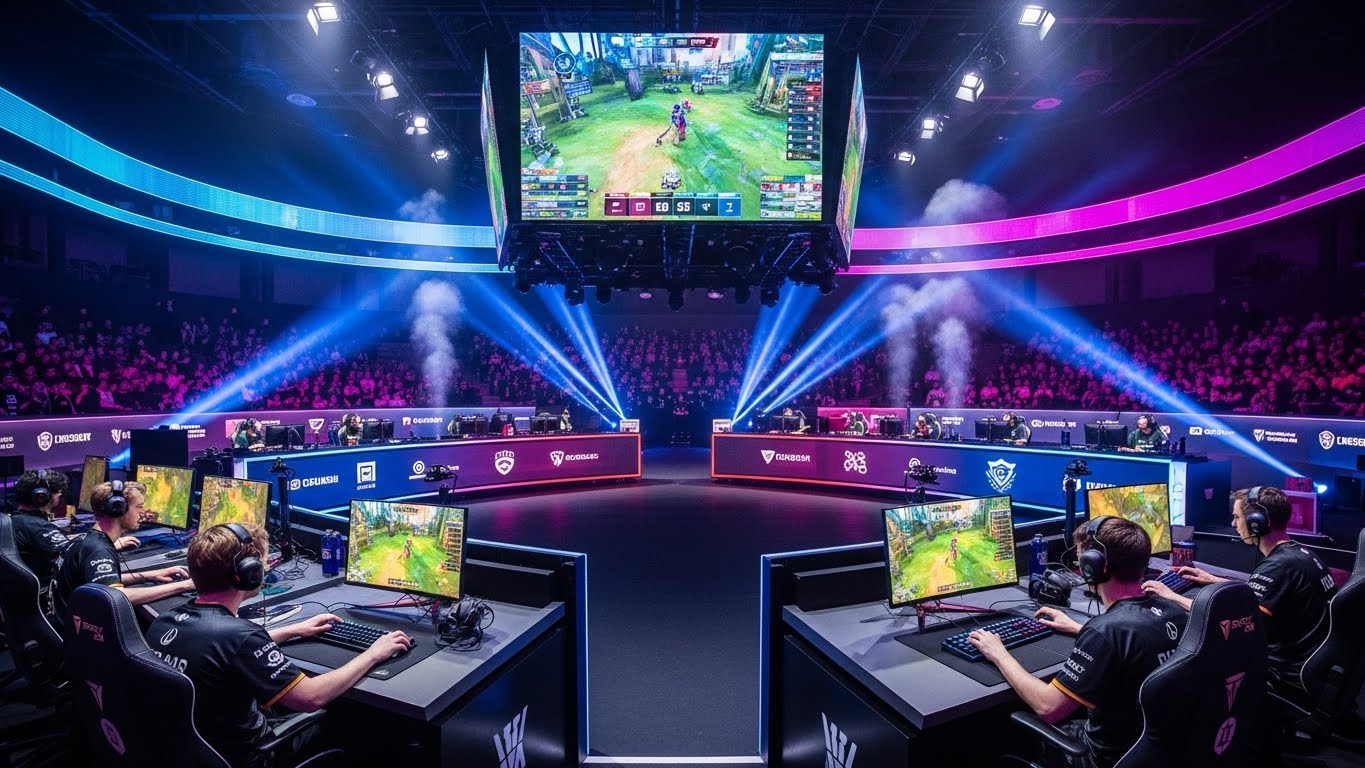
Esports, once a niche hobby, has grown into a global phenomenon with millions of fans, players, and professionals worldwide. Competitive gaming has evolved from informal online matches into a multi-billion-dollar industry, with professional leagues, tournaments, and sponsorships rivaling traditional sports. Beyond entertainment, esports influences technology, culture, education, and even mental health. In this article, we explore the multifaceted impact of esports, examining its growth, benefits, challenges, and potential for the future.
The Evolution of Esports
Esports has come a long way from its humble beginnings. In the late 20th century, video games were primarily a form of casual entertainment, enjoyed individually or with friends. Early gaming competitions, such as local arcade tournaments and online leaderboard contests, laid the foundation for organized esports.
The 2000s marked a significant turning point. Games like StarCraft, Counter-Strike, and Dota 2 cultivated professional scenes with structured tournaments, dedicated teams, and large audiences. Streaming platforms further accelerated growth, allowing players to broadcast their gameplay and connect with global audiences. Today, esports encompasses a wide range of genres, including first-person shooters, real-time strategy games, sports simulations, and multiplayer online battle arenas. The industry has expanded beyond gaming enthusiasts to capture mainstream attention, establishing esports as a legitimate form of professional competition.
The Competitive Structure of Esports
Esports operates on a highly organized competitive framework, similar to traditional sports. Players often join professional teams, participating in leagues and tournaments with structured schedules. Major esports events feature group stages, playoffs, and finals, attracting millions of viewers both online and in stadiums.
Professional esports teams invest in coaching, strategy, and performance analysis, similar to athletic training in traditional sports. Players dedicate hours daily to practice, refining reflexes, communication, and in-game decision-making. Sponsorships, advertising, and merchandise provide financial support, enabling players to pursue gaming as a full-time career. This professionalization has transformed esports into a serious endeavor, requiring discipline, teamwork, and strategic thinking.
The Global Reach of Esports
Esports is a truly global phenomenon. Countries across North America, Europe, and Asia have embraced competitive gaming, establishing leagues, tournaments, and training academies. South Korea, for example, is known for its professional esports infrastructure, producing world-class players in games like StarCraft and League of Legends. China has emerged as a powerhouse in mobile esports, while European teams dominate several popular multiplayer games.
The global reach of esports is amplified by online platforms and streaming services, allowing fans from different continents to watch live competitions, interact with players, and participate in the community. Esports tournaments often draw audiences in the millions, rivaling viewership numbers of traditional sporting events. This connectivity creates a shared cultural experience, uniting people through a common passion for gaming.
Physical and Mental Benefits of Esports
While esports is often associated with sedentary activity, it provides unique mental and cognitive benefits. Competitive gaming enhances reflexes, hand-eye coordination, and multitasking abilities. Players must process large amounts of information quickly, make strategic decisions under pressure, and communicate effectively with teammates. These skills extend beyond gaming, improving problem-solving and analytical thinking.
Esports can also support mental health by fostering a sense of community and belonging. Online teams, social interactions, and shared experiences provide social support, reducing feelings of isolation. Many players report that gaming helps them manage stress, practice resilience, and develop focus. When approached with balance and moderation, esports offers meaningful cognitive and social advantages.
Esports and Education
Esports is increasingly integrated into educational settings. Schools and universities have recognized the value of esports programs, offering scholarships, clubs, and competitive teams. These initiatives teach essential skills, including teamwork, communication, strategic thinking, and leadership.
Moreover, educational esports programs provide pathways to careers in gaming, media, and technology. Students can pursue roles as professional players, coaches, analysts, or event organizers. The rise of esports scholarships and academic programs highlights the growing legitimacy of competitive gaming and its potential to empower young people with valuable life and career skills.
The Economic Impact of Esports
Esports has become a multi-billion-dollar industry, influencing economies worldwide. Professional leagues, tournaments, and streaming platforms generate revenue through ticket sales, advertising, sponsorships, and merchandise. Top esports players earn substantial incomes from salaries, tournament winnings, and brand partnerships.
The economic impact extends to peripheral industries as well. Gaming hardware, software development, media production, and marketing benefit from the growth of esports. Investment in esports infrastructure, including arenas and training facilities, creates jobs and stimulates local economies. The financial significance of esports demonstrates that gaming has moved far beyond casual entertainment into a powerful economic force.
Challenges Facing the Esports Industry
Despite rapid growth, esports faces unique challenges. One of the primary concerns is player health. Long hours of practice can lead to physical strain, including repetitive stress injuries, eye strain, and poor posture. Mental health is also a concern, as the pressure to perform can cause anxiety, burnout, and social isolation.
Another challenge is regulation. The esports industry is still developing standardized rules, player contracts, and ethical guidelines. Issues such as cheating, match-fixing, and exploitation of young players require careful oversight. Additionally, esports must navigate societal perceptions and skepticism about its legitimacy compared to traditional sports. Addressing these challenges is crucial for sustainable growth and professionalization.
Esports and Technology
Technology is at the heart of esports. Advanced gaming hardware, high-speed internet, and streaming platforms enable competitive play on a global scale. Virtual reality, augmented reality, and artificial intelligence are shaping the future of esports, enhancing immersion, strategy, and audience engagement.
Data analytics plays a significant role in professional gaming. Teams use performance metrics to evaluate players, refine strategies, and predict opponent behavior. Technology also connects fans to the esports ecosystem, allowing interactive viewing experiences, live commentary, and social engagement. The integration of technology ensures that esports remains dynamic, innovative, and accessible.
The Cultural Influence of Esports
Esports has developed its own vibrant culture, influencing fashion, entertainment, and social interaction. Gaming conventions, cosplay events, and streaming communities reflect the creativity and passion of esports fans. Popular games inspire fan art, music, and digital content, creating a rich cultural ecosystem.
Esports also challenges stereotypes about gamers. It showcases dedication, strategic thinking, teamwork, and creativity, emphasizing that gaming requires skill and intelligence. The cultural influence of esports extends beyond gaming, shaping media, entertainment, and youth culture worldwide.
The Future of Esports
The future of esports looks promising, with continued growth in audiences, technology, and professional opportunities. Emerging markets, mobile gaming, and virtual reality are expanding access to esports, making it more inclusive and diverse. Increased recognition from educational institutions, corporations, and governments will further legitimize competitive gaming.
Esports may also play a role in global events, with esports competitions included in multi-sport games and international festivals. As technology evolves and the industry matures, esports is poised to redefine entertainment, competition, and cultural expression in the 21st century.
Conclusion: Embracing the World of Esports
Esports has transformed from a niche hobby into a global movement, influencing culture, economy, education, and technology. It provides mental and cognitive benefits, fosters community, and offers professional opportunities for talented individuals. While challenges remain, the industry continues to grow, innovate, and inspire millions of people worldwide.
Beyond the screen, esports demonstrates the power of skill, strategy, and collaboration. It teaches resilience, discipline, and communication while connecting people across cultures and continents. Embracing esports means embracing a modern form of competition and creativity, where dedication, passion, and innovation converge. The rise of esports is more than a trend—it is a transformative force shaping the way we play, connect, and thrive in the digital age.