
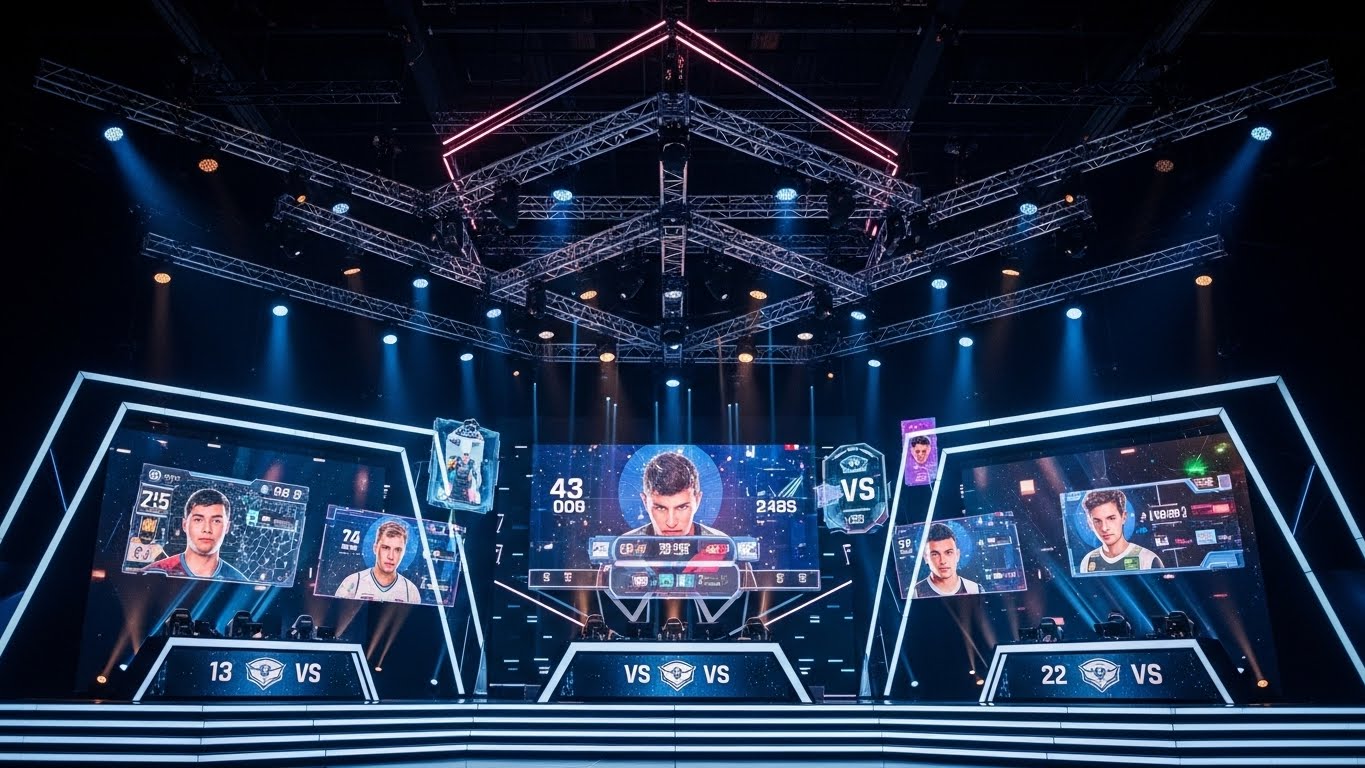
Esports, short for electronic sports, has transformed from a niche hobby into a worldwide cultural and economic powerhouse. What was once considered a pastime for a small community of gamers is now a multimillion-dollar industry attracting millions of viewers, professional players, and investors. This blog explores the rise of esports, its impact on society, the opportunities it presents, and the challenges it faces as it continues to grow.
The Origins of Esports
The roots of competitive gaming can be traced back to the 1970s and 1980s when video games like Pong and Space Invaders first captured the imagination of players. However, esports in its modern sense began in the 1990s with the rise of PC games like Quake and StarCraft. Tournaments started small, often organized by gaming communities or universities, but they laid the foundation for competitive gaming culture. These early events proved that gaming could be more than just a leisure activity—it could be a spectator sport.
Growth and Popularity
The 2000s marked a turning point for esports, driven by advancements in internet connectivity and streaming technology. Games such as Counter-Strike, League of Legends, and Dota 2 created competitive scenes that attracted massive online audiences. Platforms like Twitch and YouTube Gaming further fueled growth, allowing fans from around the world to watch live matches and interact with players in real time. Today, esports tournaments can rival traditional sports in viewership, with some events drawing millions of concurrent viewers worldwide.
Esports as a Career
Professional esports players are no longer rare anomalies; they are celebrities in their own right. Teams operate much like traditional sports franchises, offering salaries, sponsorships, and performance bonuses to top players. Careers in esports extend beyond playing professionally, encompassing roles such as coaches, analysts, content creators, event organizers, and broadcasters. This diversification has created a wide range of opportunities for individuals passionate about gaming and technology.
Economic Impact
Esports has become a significant economic force, generating billions in revenue annually. Revenue streams include sponsorships, media rights, merchandise, ticket sales for live events, and streaming platforms. Major companies, including tech giants and sports brands, are investing heavily in esports, recognizing its potential to reach younger demographics. This economic growth also benefits local economies, particularly in cities that host international tournaments and conventions.
Social and Cultural Influence
Esports has had a profound impact on social culture. It has broken down barriers, connecting players from different countries and backgrounds through a shared passion. The community aspect is strong, with forums, social media groups, and fan clubs forming around teams and games. Esports has also influenced mainstream culture, inspiring movies, documentaries, and fashion trends. Moreover, it has challenged traditional perceptions of sports, demonstrating that athleticism can take many forms, including mental agility, strategic thinking, and hand-eye coordination.
Technological Advancements Driving Esports
The evolution of esports has been closely tied to technological advancements. High-speed internet, cloud gaming, virtual reality, and advanced graphics have enhanced both gameplay and viewing experiences. Artificial intelligence and data analytics are increasingly used to analyze player performance, optimize strategies, and improve training programs. These technologies not only make esports more competitive but also more accessible to aspiring players around the world.
Challenges Facing Esports
Despite its rapid growth, esports faces several challenges. Player burnout is a significant concern, as professional gamers often practice for long hours under intense pressure. Mental health issues such as stress, anxiety, and depression are prevalent in the community. Additionally, the industry struggles with issues like cheating, harassment, and toxicity in online environments. Regulatory concerns, including fair competition, player contracts, and age restrictions, are also areas that need careful management to ensure sustainable growth.
The Role of Education and Training
Recognizing esports as a legitimate career path, educational institutions have started offering programs in game design, esports management, and professional gaming. Scholarships and dedicated esports teams are becoming increasingly common in universities, providing both academic and practical support for aspiring players. Training facilities equipped with state-of-the-art technology allow players to hone their skills professionally, while coaching and mentorship programs focus on strategy, teamwork, and mental resilience.
Women in Esports
Historically, esports has been male-dominated, but the landscape is gradually changing. Female gamers and teams are gaining recognition, and initiatives promoting inclusivity are growing. Representation matters, and as the industry becomes more diverse, it encourages more women to participate, not only as players but also in leadership, commentary, and development roles. Breaking gender stereotypes is essential for the long-term sustainability and cultural impact of esports.
Esports and Traditional Sports
The relationship between esports and traditional sports is increasingly synergistic. Many sports organizations now own esports teams, and the business models of traditional sports leagues have inspired esports leagues. Collaborative events and cross-promotions between esports and conventional sports help both industries expand their reach. Moreover, esports introduces traditional sports audiences to gaming culture, while gamers develop an appreciation for competitive sportsmanship.
The Global Reach of Esports
Esports is truly a global phenomenon, with major hubs in North America, Europe, and Asia. Countries like South Korea and China have been pioneers, creating professional leagues and cultivating talent from a young age. International tournaments bring together teams from different continents, showcasing diverse strategies and playstyles. This global reach has contributed to esports being recognized as more than a local or regional activity—it is now a worldwide community connected through competition and entertainment.
Future Prospects
The future of esports is promising. Emerging technologies like augmented reality and virtual reality will create new ways to experience games and tournaments. Expansion into mobile gaming will make esports more accessible, particularly in regions with limited access to high-end gaming PCs or consoles. Additionally, increased mainstream media coverage and sponsorships will elevate esports into a fully recognized global sport, bridging the gap between digital and traditional entertainment.
Conclusion
Esports is no longer just a pastime for enthusiasts—it has become a legitimate industry, a cultural movement, and a career path for millions worldwide. Its evolution demonstrates the power of technology, community, and human creativity to redefine entertainment and competition. While challenges such as mental health, inclusivity, and regulation remain, the growth trajectory of esports is undeniable. Beyond the screen, esports represents a new era of sportsmanship, innovation, and global connection, promising an exciting future for players, fans, and the broader entertainment industry.