
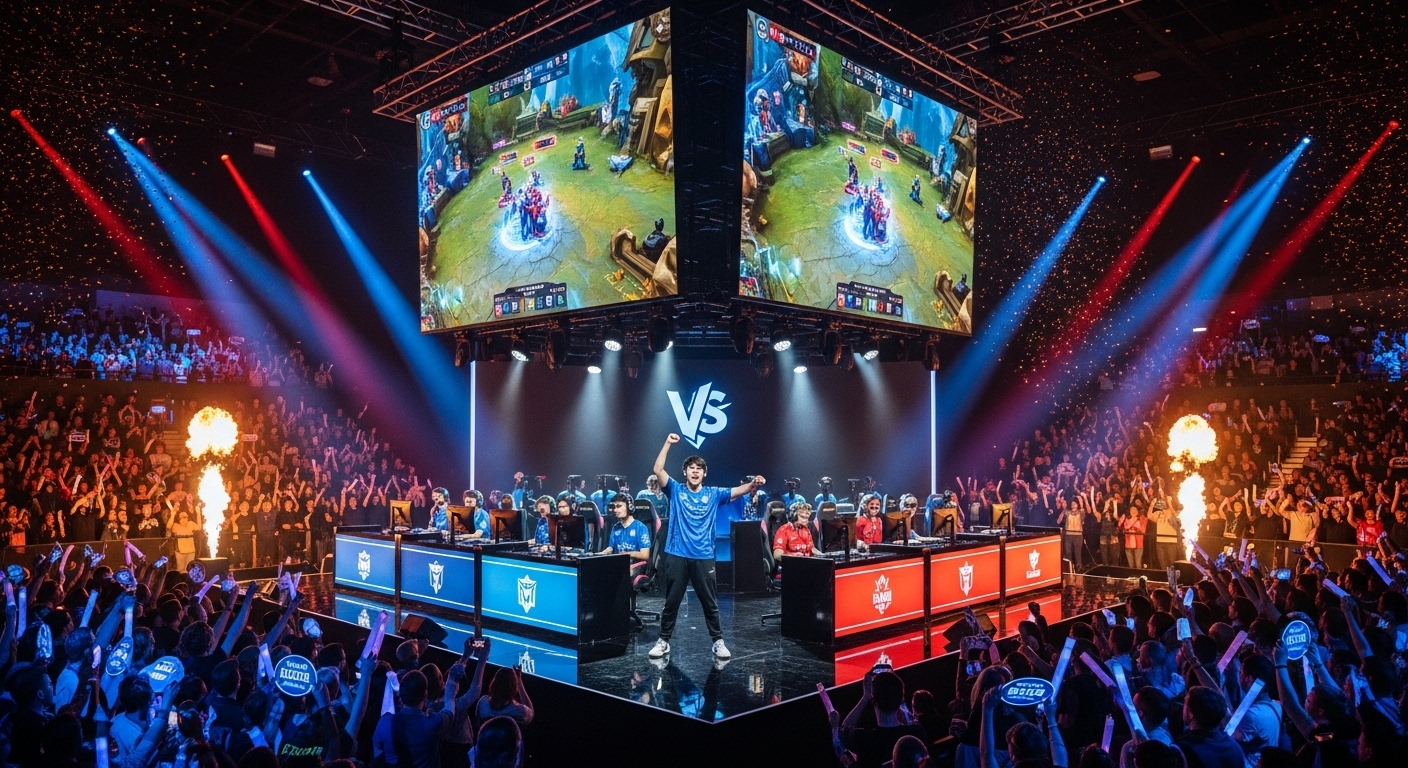
Esports has evolved from a niche hobby into a global phenomenon, reshaping how people perceive competition, entertainment, and digital culture. What once began as casual gaming among friends has grown into a multi-billion-dollar industry with professional teams, international tournaments, and dedicated fan communities. The rise of esports reflects broader shifts in technology, media consumption, and youth culture. In this blog, we explore the history of esports, its cultural impact, its economic significance, and the future it promises in a digitally connected world.
The Origins of Esports
The roots of esports trace back to the early days of video gaming. In the 1970s and 1980s, arcade competitions and home gaming consoles allowed players to challenge one another for high scores and local fame. Titles like Space Invaders, Pac-Man, and later Street Fighter and Mortal Kombat created a competitive culture among enthusiasts. The 1990s saw the rise of online multiplayer games such as StarCraft and Counter-Strike, which enabled players to connect and compete over the internet. These early competitions laid the foundation for modern esports, where skill, strategy, and teamwork became central to success.
The Rise of Professional Gaming
As technology advanced, so did the scale and organization of esports competitions. Professional gaming teams emerged, supported by sponsorships and dedicated training. Players could now pursue gaming as a career, with structured schedules, coaching, and performance analytics similar to traditional sports. Tournaments became larger and more structured, drawing fans both in person and online. Games like League of Legends, Dota 2, and Overwatch became global spectacles, with prize pools reaching millions of dollars. The professionalism of esports helped legitimize it as a serious form of competition, attracting media attention and institutional support worldwide.
Esports and Global Connectivity
One of esports’ defining features is its ability to connect players and fans across the globe. Unlike traditional sports, where location and geography can limit competition, esports thrives in a digital environment. Online platforms allow teams from different continents to compete in real time, and streaming services bring tournaments to millions of viewers instantly. Fans can engage with content, watch live matches, and interact with their favorite players regardless of where they live. This global reach has fostered a diverse and inclusive community, with esports becoming a shared cultural experience that transcends borders.
The Economic Impact of Esports
Esports is not just a form of entertainment; it is a significant economic force. The industry generates revenue through sponsorships, advertising, merchandise, ticket sales, and media rights. Brands recognize the influence of esports on younger audiences and invest heavily in partnerships with teams and tournaments. Professional players earn salaries, bonuses, and sponsorship deals, while organizations profit from streaming and live events. Additionally, esports has created job opportunities in game development, content creation, event management, and marketing. The economic ecosystem surrounding esports continues to grow, demonstrating its potential as a long-term, sustainable industry.
The Role of Streaming Platforms
Streaming platforms have been central to esports’ rise. Services such as Twitch and YouTube Gaming allow fans to watch competitions live, follow player streams, and participate in community discussions. Streaming has democratized access to esports content, making it available to anyone with an internet connection. For players, streaming offers an additional revenue stream and a way to engage with fans outside of formal competitions. The interactive nature of live streaming also differentiates esports from traditional sports, creating unique opportunities for fan participation and real-time feedback.
The Cultural Significance of Esports
Esports has become more than a competition; it is a cultural movement. It influences fashion, language, and social interaction among younger generations. Online communities form around games, creating friendships and networks that extend beyond the digital world. Fans celebrate their favorite players and teams much like traditional sports supporters, with fan art, social media engagement, and online forums. Esports also encourages creativity and critical thinking, as players analyze strategies, develop teamwork skills, and adapt to rapidly changing environments. It represents a fusion of entertainment, skill, and social interaction unique to the digital era.
Training and Strategy in Esports
At the professional level, esports requires rigorous training and strategic planning. Players spend hours each day practicing individual skills, refining teamwork, and studying opponents. Coaches analyze gameplay to develop strategies and improve performance, while performance metrics track accuracy, reaction time, and decision-making. Mental conditioning is equally important, as high-stakes competitions can be stressful and demanding. The combination of physical dexterity, cognitive ability, and strategic thinking highlights the complexity of esports and challenges the perception that gaming is merely recreational.
Diversity in Esports
Esports is increasingly recognized for its potential to include diverse communities. Players come from various cultural, social, and economic backgrounds, and the digital nature of the industry removes many barriers to entry. Women, minorities, and individuals from underrepresented regions are increasingly participating in competitive gaming. While challenges remain, such as addressing discrimination and creating equal opportunities, esports offers a more inclusive model than many traditional sports. The industry continues to evolve, fostering environments where talent and skill are valued over identity or geography.
Esports and Education
Esports is also making its way into educational institutions. Many universities now offer scholarships for competitive gaming, and high schools are incorporating esports programs to develop teamwork, communication, and strategic thinking. These programs not only nurture professional talent but also help students gain skills applicable in technology, business, and media careers. Educational involvement in esports legitimizes it as a structured activity, demonstrating that gaming can combine entertainment with personal and professional growth.
Esports as a Spectator Sport
One of the most compelling aspects of esports is its appeal as a spectator sport. Live tournaments attract audiences numbering in the millions, both online and in stadiums. The excitement of real-time competition, dynamic gameplay, and high-stakes stakes creates an engaging experience for fans. Unlike traditional sports, esports offers unique forms of interaction, including live commentary, instant replay, and community chat. The spectator experience blends entertainment, education, and engagement, giving fans a sense of participation in the digital arena.
Health and Lifestyle Considerations
Professional esports players face unique health and lifestyle challenges. Long hours of training and competition can lead to physical strain, such as eye fatigue, repetitive stress injuries, and poor posture. Mental health is equally important, as the pressure to perform can cause stress and anxiety. Many organizations now incorporate fitness routines, mental coaching, and ergonomic support to maintain player well-being. Promoting healthy practices ensures sustainability for athletes and reinforces the legitimacy of esports as a professional endeavor.
Technological Advancements in Esports
Technology drives the growth and evolution of esports. High-speed internet, advanced graphics, virtual reality, and sophisticated gaming platforms enhance the competitive experience. Data analytics and AI are used to track performance and develop strategies. Streaming technology allows real-time broadcasts to global audiences, while mobile and console innovations make gaming more accessible. These advancements ensure that esports remains at the cutting edge of entertainment and technology, offering immersive experiences for both players and fans.
The Future of Esports
The future of esports is full of potential. As virtual reality and augmented reality become mainstream, competitions could become more immersive than ever. AI-driven training tools may further refine player performance, while expanding internet access will enable participation from previously underserved regions. The integration of esports into mainstream media, sponsorship deals, and global broadcasting will likely increase, cementing its place alongside traditional sports. Furthermore, esports may continue to influence education, social interaction, and professional development in ways that extend far beyond gaming.
Esports and Society
Esports reflects broader societal trends, including digital connectivity, global collaboration, and youth culture. It challenges traditional notions of sports and entertainment, redefining competition in a digital context. By emphasizing strategy, teamwork, and skill over physical strength, esports highlights new forms of human capability. Moreover, it offers opportunities for social connection, creativity, and economic participation on a global scale. Esports is not just a game—it is a cultural phenomenon that mirrors and shapes the digital society in which we live.
Conclusion: The Rise of a Digital Sport
Esports has moved beyond casual gaming to become a global industry, a cultural movement, and a professional career path. Its combination of strategy, skill, entertainment, and technology has created a dynamic and inclusive space for players and fans alike. As technology continues to advance, esports will grow in prominence, influence, and impact. It represents the evolution of competitive entertainment in the digital age, offering new ways to connect, compete, and inspire. The rise of esports signals a future where digital skills and creativity are celebrated, redefining what it means to be an athlete, a fan, and a community member in the twenty-first century.