
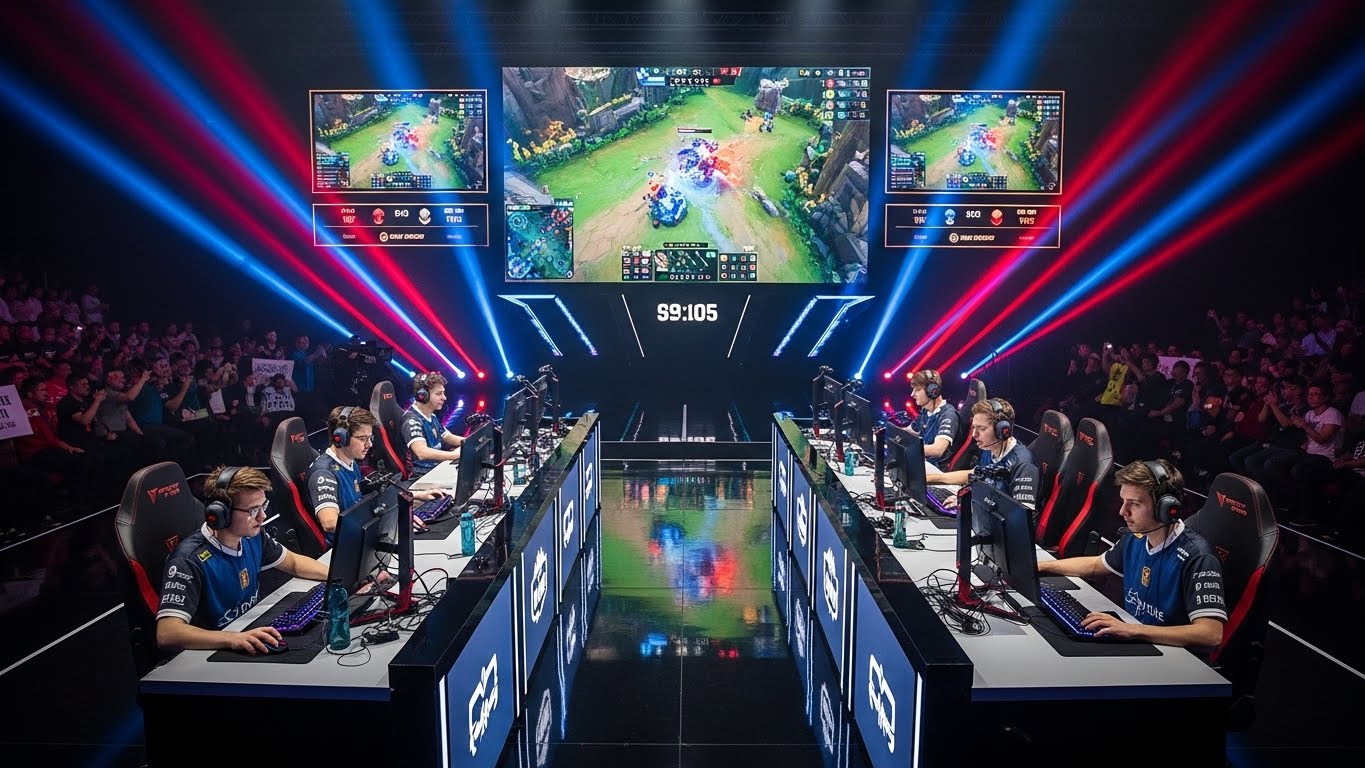
Esports, or electronic sports, has transformed from a niche hobby into a global phenomenon, captivating millions of fans and reshaping the way people view competitive gaming. Over the past decade, esports has evolved from small-scale tournaments held in local gaming cafés to stadium-filling events watched by millions online. This blog explores the growth, impact, and future of esports, highlighting why it has become more than just a pastime for gamers.
The Evolution of Esports
Esports traces its roots back to the early 1970s, when competitive gaming experiments first emerged in universities and arcades. Early competitions involved simple games like Pong and Space Invaders, attracting small groups of enthusiasts. However, the industry as we know it today began to take shape in the late 1990s and early 2000s with the rise of online multiplayer games like StarCraft, Counter-Strike, and Warcraft. These games laid the foundation for professional leagues, sponsorship deals, and organized tournaments.
The rise of streaming platforms in the 2010s, such as Twitch and YouTube Gaming, dramatically accelerated esports’ popularity. Gamers could now broadcast their gameplay live, connecting with audiences in real time and fostering a sense of community. Today, esports events draw audiences that rival traditional sports championships, with prize pools reaching millions of dollars.
Popular Esports Genres
Esports encompasses a wide variety of game genres, each with its own unique competitive scene. Multiplayer online battle arena (MOBA) games, such as League of Legends and Dota 2, are among the most popular esports categories, featuring intricate strategies and team coordination. First-person shooters (FPS), like Counter-Strike: Global Offensive and Call of Duty, test players’ reflexes, accuracy, and tactical skills. Fighting games, including Street Fighter and Super Smash Bros., emphasize individual skill and split-second decision-making. Additionally, sports simulation games such as FIFA and NBA 2K bridge the gap between virtual and real-world sports, attracting fans of traditional athletics.
Each genre demands a unique skill set, and professional players dedicate years to mastering their chosen games. The diversity within esports allows players to find their niche and fosters a rich, competitive environment that attracts a broad spectrum of fans.
The Economic Impact of Esports
Esports has become a billion-dollar industry, generating revenue through sponsorships, advertising, merchandise, and ticket sales. Major brands invest heavily in esports to reach younger, digitally native audiences. Tech companies, beverage brands, and even traditional sports franchises recognize the marketing potential of esports. These partnerships have fueled professional teams, tournaments, and streaming platforms, creating opportunities for players, commentators, and content creators.
The growth of esports has also led to the emergence of esports scholarships and professional career paths. Universities now offer programs that provide training, coaching, and academic support for aspiring esports athletes. Similarly, professional players can earn lucrative salaries, endorsements, and recognition comparable to traditional sports stars. The financial opportunities in esports demonstrate that competitive gaming is no longer merely a hobby but a viable career path.
Esports and Technology
Technology plays a central role in the expansion of esports. High-performance gaming PCs, consoles, and peripherals enhance player performance, while fast internet connections enable seamless online competitions. Virtual reality and augmented reality are beginning to influence esports, creating immersive experiences for both players and spectators. Artificial intelligence also contributes to coaching, performance analysis, and in-game strategy, allowing teams to refine their gameplay with precision.
Streaming technology has been particularly transformative. Platforms allow players to reach millions of viewers worldwide, and fans can engage through chat, interactive polls, and community events. This integration of technology and social interaction has elevated esports into a global cultural phenomenon.
The Social and Cultural Influence of Esports
Esports is not just about competition; it has fostered a unique social and cultural community. Gamers connect with one another through online forums, social media, and live events, forming bonds that transcend geography. The esports community promotes creativity, teamwork, and problem-solving, while also inspiring content creation, from video tutorials to highlight reels.
Esports has also begun to challenge traditional perceptions of sports and athleticism. Critics who once dismissed gaming as sedentary now recognize the intense mental and physical demands placed on professional players. Coordination, strategic thinking, and hand-eye reflexes are just some of the skills essential for success in esports. As a result, esports is gradually gaining acceptance as a legitimate competitive discipline on par with traditional sports.
Challenges Facing Esports
Despite its rapid growth, esports faces several challenges. One major concern is player burnout. Professional esports athletes often endure long training hours, high pressure, and constant travel, which can lead to mental and physical health issues. Teams and organizations are beginning to address this by providing psychological support, physical training, and wellness programs.
Another challenge is maintaining fair play and integrity. Cheating, match-fixing, and toxic behavior can damage the reputation of esports. To combat this, leagues and developers implement strict rules, anti-cheat software, and disciplinary measures. Ensuring a fair and safe competitive environment is essential for sustaining trust among players and fans.
Lastly, the global nature of esports means it must navigate regulatory differences and cultural variations. Gaming laws, internet access, and online security differ across countries, impacting tournament organization and player participation. Successfully addressing these issues is key to the continued growth of the industry.
The Future of Esports
The future of esports is bright, with continued growth expected in audience size, revenue, and technological innovation. Mobile gaming is expanding esports to a wider demographic, particularly in regions where PC or console gaming is less accessible. Emerging technologies such as virtual reality may create entirely new forms of competitive gaming, while advancements in broadcasting and augmented interactivity will make viewing esports even more engaging.
Esports may also increasingly intersect with traditional sports. Collaborations between professional leagues, athletes, and gaming organizations are becoming more common, highlighting the potential for crossover events, sponsorships, and joint ventures. As societal recognition of esports grows, it may become a fixture in mainstream sports culture, including international competitions and multi-sport events.
Conclusion
Esports has grown far beyond its humble beginnings to become a global powerhouse in entertainment, technology, and culture. Its influence spans economic, social, and technological domains, shaping careers, communities, and even perceptions of competition and athleticism. While challenges exist, the industry’s adaptability and innovation ensure that esports will continue to thrive. As technology advances and communities expand, esports promises to remain a vibrant, dynamic, and inspiring force for generations to come.
In essence, esports is more than just a game; it is a cultural movement, a career opportunity, and a testament to how digital entertainment can unify people across the world. The rise of esports represents the future of competition, connection, and creativity in an increasingly digital society. Whether you are a player, fan, or curious observer, the world of esports offers endless opportunities to engage, learn, and be part of something larger than yourself.