
Introduction
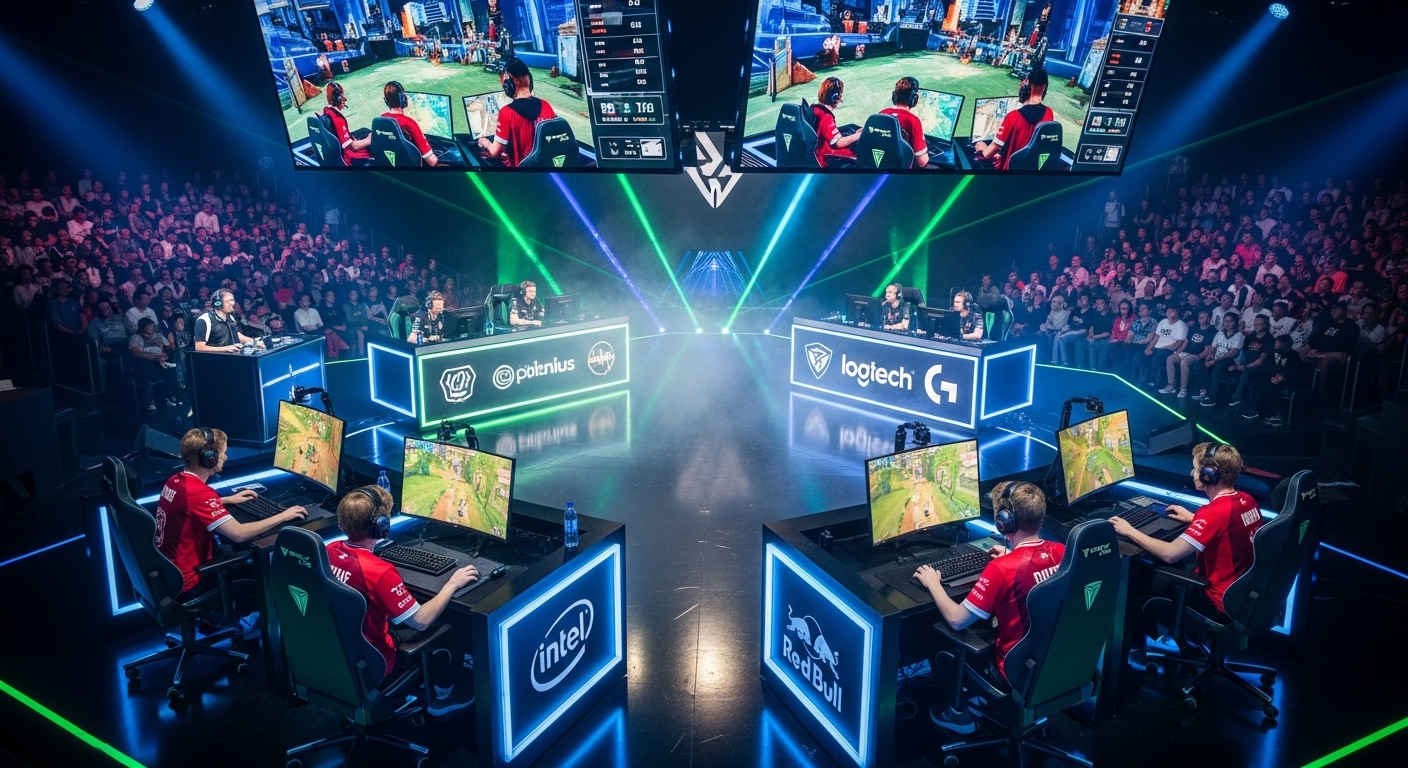
In the last two decades, a new form of competition has emerged, capturing the attention of millions worldwide: esports. Short for electronic sports, esports involves competitive video gaming at professional levels. What began as a hobby among friends and local communities has grown into a global industry with professional leagues, sponsorships, and millions of fans watching online or in stadiums. Esports has transformed entertainment, creating new career paths and reshaping the way we view sports and competition. This blog explores the evolution, impact, opportunities, and challenges of esports.
The Rise of Esports
Esports has its roots in the early days of video gaming. In the 1970s and 1980s, arcades hosted local competitions for games like Space Invaders and Pac-Man. The growth of personal computers and the internet in the 1990s allowed gamers to compete online, giving birth to a new competitive landscape. By the 2000s, esports had evolved into organized leagues, international tournaments, and professional gaming teams.
Today, esports tournaments such as the League of Legends World Championship, Dota 2’s The International, and the Fortnite World Cup attract millions of viewers and offer prize pools worth millions of dollars. The rise of streaming platforms has further propelled esports into mainstream entertainment, making it accessible to audiences worldwide.
The Structure of Esports Competitions
Esports competitions are organized similarly to traditional sports, with leagues, regional qualifiers, and global championships. Players form teams, train for hours daily, and develop complex strategies to outsmart opponents. Team-based games require coordination, communication, and adaptability, while individual competitions focus on precision, speed, and strategic thinking.
Professional esports organizations employ coaches, analysts, and support staff, ensuring players maintain peak performance. Unlike traditional sports, esports allows global participation, as online tournaments remove geographical barriers and connect competitors from different continents.
Skills Required for Esports Success
Esports demands a combination of physical and mental skills. Hand-eye coordination, quick reflexes, and precise timing are essential for in-game performance. Mental focus, strategic thinking, and the ability to anticipate opponents’ moves are equally important.
Team games require communication, leadership, and collaboration, while solo games emphasize personal skill and decision-making. Discipline is vital, as professional players often spend ten to twelve hours daily practicing, analyzing gameplay, and improving their skills. Maintaining physical and mental health is also critical, as long sessions of gaming can be physically and mentally exhausting.
The Role of Technology in Esports
Technology is the backbone of esports. High-performance computers, consoles, fast internet, and specialized peripherals are essential for competitive play. Streaming platforms enable fans to watch live events, interact with players, and follow their favorite teams. Advanced analytics and performance tracking help players refine strategies and optimize gameplay.
Virtual reality and augmented reality are emerging technologies in esports, promising immersive experiences for both players and spectators. Cloud gaming is also expanding accessibility, allowing individuals to participate without high-end equipment. Technology not only enhances competition but also transforms esports into a global entertainment phenomenon.
The Global Popularity of Esports
Esports has a universal appeal, attracting audiences from all age groups and cultures. Countries like South Korea, the United States, China, and many European nations have established professional leagues and esports academies. Fans watch tournaments online, attend live events, and participate in local competitions, creating a thriving global community.
The international nature of esports allows players from different backgrounds to compete together, fostering cultural exchange and collaboration. Major tournaments draw viewers in the millions, rivaling traditional sports events and highlighting esports’ growing mainstream popularity.
Economic Impact of Esports
Esports has evolved into a multi-billion-dollar industry, creating economic opportunities for players, teams, sponsors, and related businesses. Professional players earn salaries, tournament winnings, and sponsorship deals. Teams operate as organizations, hiring coaches, analysts, marketing professionals, and support staff.
Sponsorships from technology companies, energy drinks, and apparel brands contribute significantly to esports’ growth. Live events stimulate tourism, hospitality, and media industries, while streaming platforms generate revenue through subscriptions, advertisements, and donations. The economic impact of esports demonstrates its influence beyond entertainment, supporting innovation and job creation worldwide.
Esports as a Career Path
Esports offers a variety of career opportunities. Beyond professional play, individuals can become coaches, analysts, broadcasters, content creators, event organizers, or marketing specialists. Many organizations provide structured training programs and academies for aspiring players, helping them develop competitive skills while maintaining education and personal development.
As esports gains legitimacy, educational institutions are incorporating esports programs into their curricula, offering scholarships and career pathways. Professional players can transition into management, commentary, or digital media roles, ensuring long-term involvement in the industry.
Mental Health and Esports
While esports offers exciting opportunities, it also presents challenges, particularly related to mental health. The intense pressure to perform, long hours of practice, and public scrutiny can lead to stress, anxiety, or burnout. Maintaining a healthy balance between gaming, physical activity, and personal life is essential for sustainable success.
Many professional organizations now provide mental health support, counseling, and stress management programs for players. Awareness of these challenges is crucial for promoting a healthy and sustainable esports ecosystem.
The Cultural Influence of Esports
Esports has significantly influenced popular culture. Players are celebrated as digital celebrities, inspiring fans worldwide. Streaming platforms and social media create interactive communities where fans engage with content, discuss strategies, and participate in tournaments.
Esports has also impacted music, fashion, and entertainment. Gaming merchandise, team jerseys, and branded peripherals have become cultural symbols, while esports-themed music and content continue to shape trends. The cultural significance of esports demonstrates that digital competition is now a central part of modern lifestyle and entertainment.
Inclusivity and Accessibility in Esports
One of esports’ strengths is its inclusivity. Unlike traditional sports, physical limitations do not restrict participation. Women, differently-abled individuals, and people from diverse backgrounds can compete professionally. Adaptive technology and accessible platforms allow a wider audience to engage in esports, fostering diversity and breaking stereotypes.
Inclusive esports initiatives have increased participation and representation, empowering individuals and promoting equality. The accessibility of esports makes it a global phenomenon, where talent and skill are valued above physical attributes.
The Future of Esports
The future of esports is promising and full of potential. Advances in virtual reality, augmented reality, and cloud gaming will enhance gameplay and fan experiences. Investment from global brands, increased media coverage, and growing mainstream recognition are likely to expand esports further.
Esports education programs will nurture the next generation of players, coaches, and industry professionals. As esports continues to integrate with technology, culture, and entertainment, it will redefine competition and create new opportunities worldwide.
Challenges Facing Esports
Despite rapid growth, esports faces challenges. Issues such as player burnout, community toxicity, cheating, and inconsistent regulation need to be addressed. Standardized rules, fair competition guidelines, and player welfare programs are necessary for sustainable development.
Balancing commercial interests with the well-being of players and the integrity of the competition is critical. Collaboration between developers, teams, organizations, and governing bodies will ensure that esports continues to grow responsibly.
Conclusion
Esports is not merely a form of entertainment—it is a global phenomenon reshaping competition, culture, and careers. It combines skill, strategy, teamwork, and technology, offering opportunities for players and fans alike. Esports promotes inclusivity, fosters communities, and drives economic growth, while redefining what it means to be an athlete in the digital age.
As esports continues to grow, it will inspire new generations of players, expand entertainment possibilities, and connect people across the globe. The digital arena is more than a game; it is a stage where skill, creativity, and passion come together, shaping the future of competition and culture.